
ICER report finds GLP-1 drugs cheaper and more effective, but payers struggle with rising demand
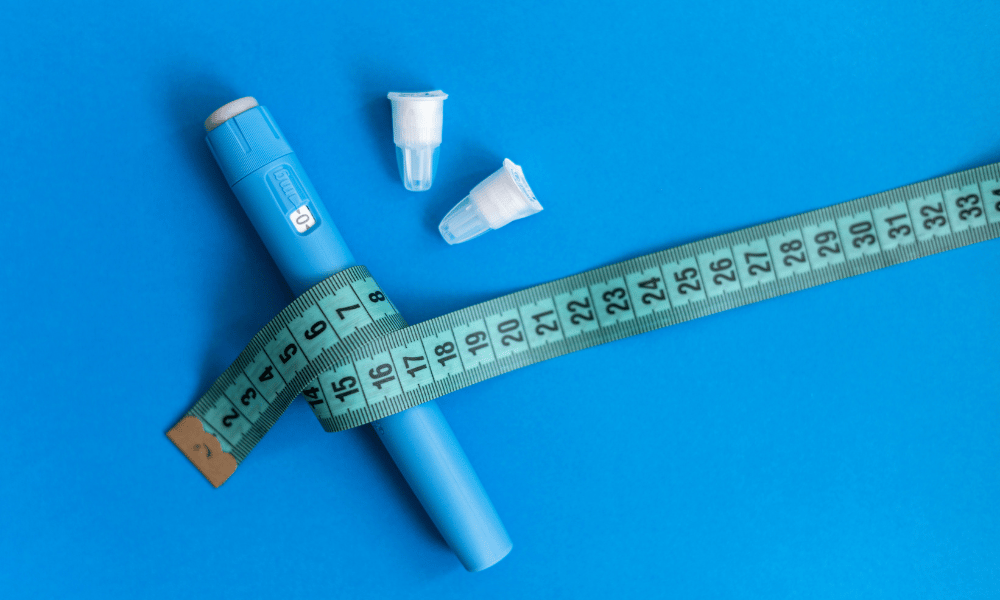
US spending on GLP-1 weight-loss drugs reached nearly US$72bn in 2023, according to Reuters, underscoring the financial impact of these widely prescribed treatments as demand continues to grow.
Trials have shown weight loss of 15 percent to 20 percent, with around 40 percent of US adults classified as obese, based on data from the Centers for Disease Control and Prevention.
An influential pricing watchdog, the Institute for Clinical and Economic Review (ICER), gave its highest cost-effectiveness rating to Novo Nordisk’s semaglutide, sold as Ozempic and Wegovy, and Eli Lilly’s tirzepatide, marketed as Mounjaro and Zepbound.
The drugs were assessed as more cost-effective than lifestyle changes such as diet and exercise.
ICER Chief Medical Officer David Rind told Reuters that “prices have come down a ton” in recent years, but high demand means “payers are having a lot of problems with affordability of these drugs.”
ICER estimated the annual net US price for Novo’s semaglutide at US$6,830, down from US$13,618 in 2022, while Lilly’s tirzepatide came in at US$7,973 against a list price of about US$13,000.
Both companies also sell directly to consumers for about US$6,000 annually.
In terms of health outcomes, injectable semaglutide has been shown to reduce the risk of serious events such as heart attack and death in obese patients with heart disease, while tirzepatide has reduced risks in obese adults with a common form of heart failure, Reuters noted.
Rind said, “We know for certain that tirzepatide has greater weight loss and strongly suspect fewer gastrointestinal side effects. What we don't really know is whether the cardiovascular outcomes are better, worse or the same.”
ICER said evidence that Lilly’s drug may be more cost-effective than Novo Nordisk’s medication is “promising but inconclusive.”
Novo Nordisk, in an email to Reuters, said it was pleased its treatment continues to be rated cost-effective, adding that Wegovy is also approved for a type of liver disease.
The watchdog’s latest analysis follows an April report calling for greater affordability.
Its 2022 review had rated semaglutide’s cost-effectiveness as slightly lower than the current assessment.
ICER also noted that an oral version of semaglutide, now under regulatory review, appears cost-effective compared with lifestyle changes, but its value compared with injections remains uncertain.
It did not assess Lilly’s upcoming GLP-1 pill orforglipron, expected to be submitted later this year.
A public meeting on ICER’s draft report is scheduled for November, after which a final version will be released.
Rind described cost-effectiveness as “a moving target” with new trial data emerging and Medicare price negotiations for semaglutide expected in November.
At the same time, a survey by Mercer found more than half of large US employers plan to reduce healthcare benefits next year as higher costs from weight-loss and specialty drugs strain budgets.
For patients paying out of pocket, Rind told Reuters that direct-to-consumer pricing “is a good use of dollars” for those who can afford it.
However, he added, “It would be better if we figured out a national way to improve affordability across the broad set of patients.”


