
New weight-loss pill shifts health plan dynamics.
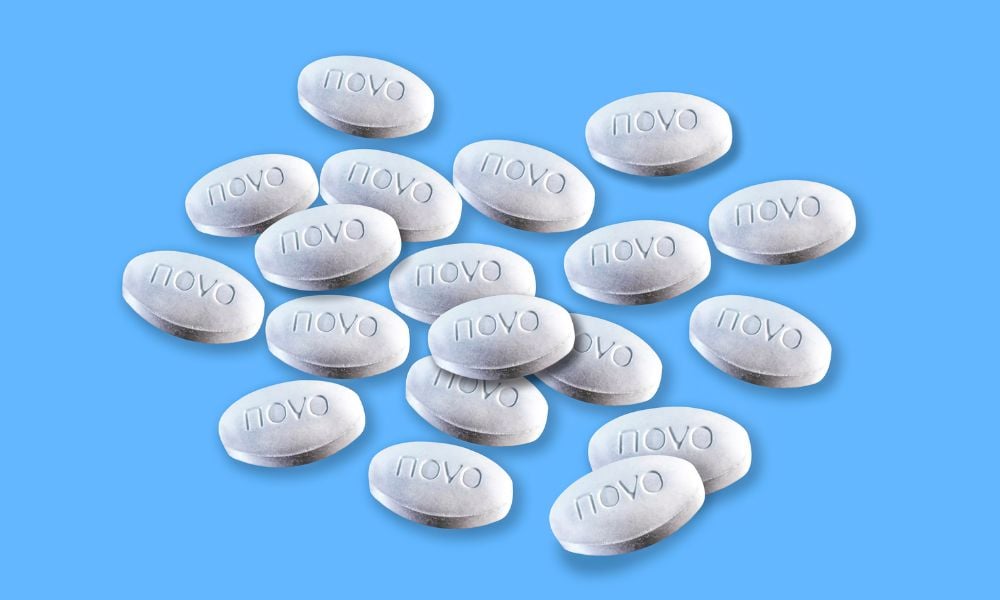
The pharmaceutical industry is currently witnessing a significant shift from weekly injections to daily oral medications for weight management.
Early U.S. prescription data indicates that Novo Nordisk’s Wegovy pill has made an encouraging start following its launch this month, according to a Reuters report.
This development is being closely monitored by benefits plan sponsors as drugmakers move toward direct-to-consumer and cash-pay business models.
Approximately 3,071 retail prescriptions were filled in the first four days following the January 5 launch, based on data from IQVIA.
This initial momentum is vital for Novo Nordisk as it aims to reclaim market share from its primary competitor, Eli Lilly.
Experts at UBS noted that if total prescriptions exceed 400,000 for the first quarter, the launch would outperform previous injectable versions.
Berenberg analysts estimate that the pill could generate roughly US$1 billion in sales this year due to its first-to-market advantage.
For employers and pension fund administrators, the introduction of a pill complicates existing health plan designs and cost structures.
Oral treatments provide a flexible alternative for patients who are naturally averse to traditional needles or injections.
This shift in delivery method comes as poll data reveals stigma and cost shape GLP-1 uptake in Canada, suggesting that oral options might help lower patient barriers to treatment.
The success of this oral medication will largely depend on its ability to attract patients who may not have insurance coverage for weight-loss drugs.
Novo is currently distributing the pill through major retail pharmacies and several telehealth providers to ensure wide availability.
Barclays analysts have cautioned that while early uptake is promising, long-term sales could be impacted by price cuts and changing insurance rules.
The Danish pharmaceutical company is prioritizing the U.S. rollout to prevent the supply chain issues that previously hampered its injection launches.
Meanwhile, regulatory bodies are expected to make a decision on Eli Lilly’s own experimental weight-loss pill by this spring.
Plan sponsors must now evaluate how increased accessibility through oral forms will affect long-term drug spending.
Experts suggest that easier administration could lead to a spike in utilization across diverse employee demographics.
The move toward cash-pay models suggests that the traditional way employers fund obesity treatments might be changing.
Organizations will need to balance the potential for improved health outcomes against the reality of high prescription costs.
Reduced barriers to treatment may also help address the historical stigma associated with obesity management in the workplace.
Strategic decisions regarding GLP-1 coverage will become increasingly vital as the weight-loss market continues to expand rapidly.
Ongoing monitoring of clinical feedback and cost-effectiveness will remain a priority for all benefits professionals in the coming year.
Ultimately, the arrival of oral GLP-1s could represent a pivotal moment for integrated workplace wellness and benefit strategy.


