The Bank of Canada's sixth consecutive rate hold signals a stable discount-rate environment for Canadian pension funds and plan sponsors
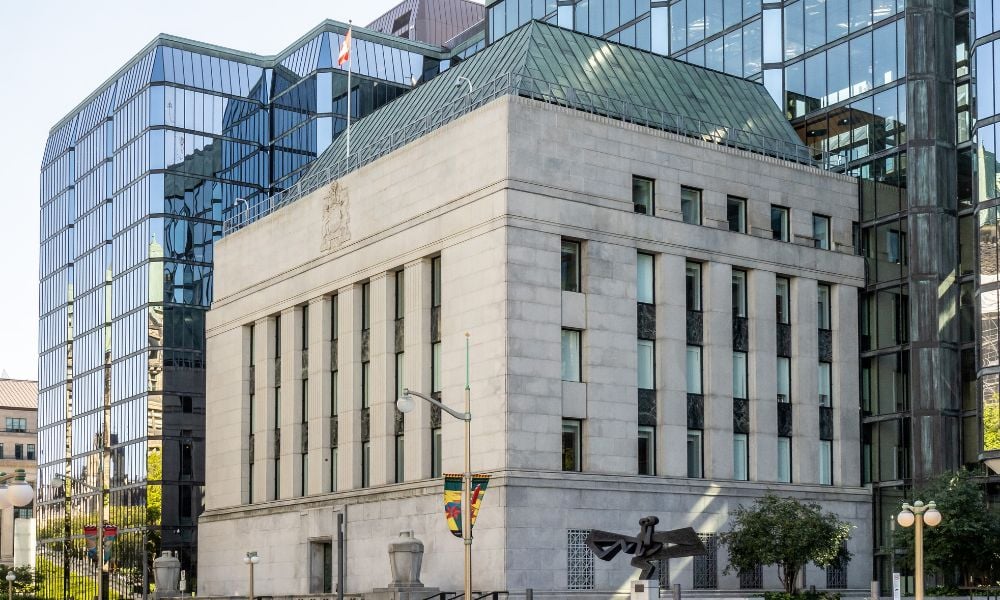
The Bank of Canada held its benchmark interest rate at 2.25% on July 15, 2026, its sixth consecutive policy meeting without a change.
The Canadian dollar rose 0.2% to 1.4032 per US dollar, or 71.27 US cents. That marked its strongest level since June 17, 2026, according to Reuters. The move was driven primarily by broad US dollar weakness, not by any hawkish shift in Canadian monetary policy.
What the hold means for plan sponsors
For defined benefit plan administrators, the decision preserves a rate environment that has supported strong solvency ratios through 2025 and into 2026.
Canadian DB plans entered 2026 with a median solvency ratio of 132%, according to Mercer’s Pension Health Pulse. Higher discount rates have reduced actuarial liabilities, underpinning that strength.
Governor Tiff Macklem dropped language he used in June, when he signalled that consecutive rate increases could be necessary if inflation spiked. Markets interpreted the omission as a more neutral posture.
“A balanced BoC outlook does not do much for the CAD,” strategists at TD Securities, including Jayati Bharadwaj, said in a note quoted by Reuters. “US data and the Fed outlook will likely be bigger drivers of USD-CAD in the near-term,” the note said.
The swap market was pricing in approximately 15 basis points of BoC tightening by December 2026. That was down from 17 basis points ahead of the July 15 decision, according to Reuters.
Bond yields and the discount rate environment
Canadian government bond yields moved lower across the curve on July 15, tracking declines in US Treasuries.
The 10-year yield fell 3.8 basis points to 3.536%, according to Reuters. It had earlier touched 3.596%, its highest level since May 21, 2026.
For defined benefit plans, long-duration bond yields directly affect the discount rate used to value pension liabilities. A declining yield environment can increase the present value of those liabilities.
Plans that have not fully hedged their interest rate exposure face tightening funding positions as yields fall. Plan sponsors using liability-driven investment strategies will be watching the 10-year yield closely.
Canadian fixed income returned 0.22% in Q1 2026, roughly in line with the FTSE Canada Universe Bond Index, according to CIBC Mellon. The result underscored the continued importance of diversified allocations across private assets and alternatives.
Currency and the international portfolio
The Canadian dollar’s four-week high has direct implications for Canadian institutional investors with significant foreign asset exposure. Currency appreciation on unhedged US-dollar positions translates into lower returns in Canadian-dollar terms.
Canadian pension funds held approximately 47% of assets in US investments as of early 2026. US dollar movements are therefore a material risk factor for most large funds.
Some funds have already acted. Ontario Teachers’ Pension Plan trimmed US dollar and US Treasury exposure earlier in 2026, citing concerns about US dollar depreciation risk.
Speculative positioning data from the US Commodity Futures Trading Commission showed bearish bets on the Canadian dollar at their highest level since January 2025, according to Reuters. That signals market participants remain cautious on sustained loonie strength despite Wednesday’s gains.
Oil prices also slipped 0.5% to $78.95 a barrel on July 15, according to Reuters. Oil is a key driver of Canadian export revenue and a significant input into BoC inflation modelling.
Looking ahead to the next BoC rate announcement
The next rate decision is scheduled for September 17, 2026. The BoC's neutral posture and the softer tone on consecutive hikes suggest the rate environment will remain relatively stable into the second half of 2026.
That condition generally supports funding visibility for plan sponsors managing long-duration liabilities. Whether it holds will depend heavily on how US economic data evolves and whether the Federal Reserve signals any shift in its own rate path.