
Study links treatment gaps to higher cardiovascular risk, as morning exercise shows benefits
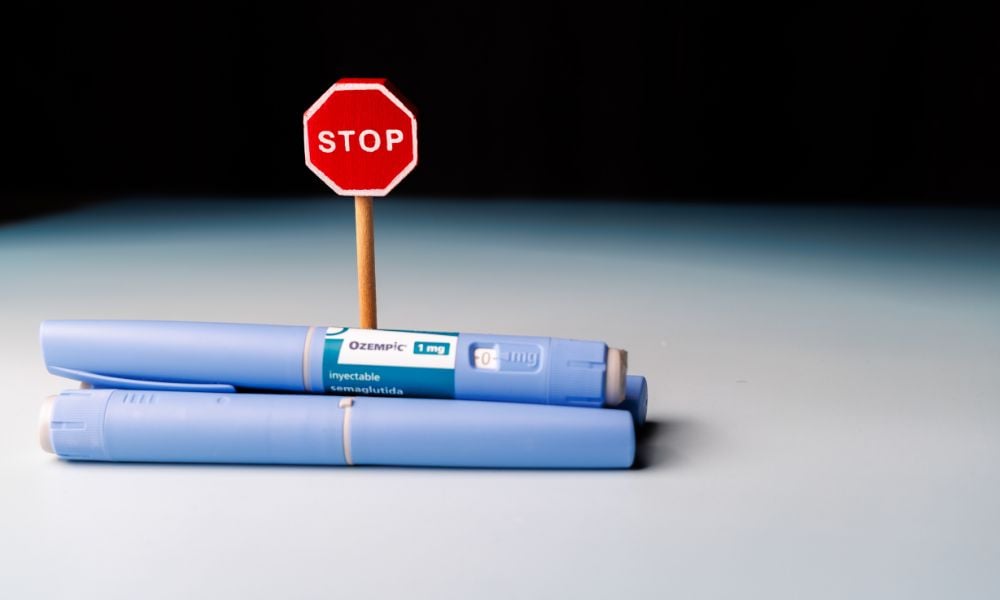
Stopping GLP‑1 drugs for as little as six months may undo years of heart protection, researchers warn.
Reuters reported that a new analysis by Washington University School of Medicine in St. Louis, based on more than 333,000 adults with type 2 diabetes, found that interrupting or quitting GLP‑1 treatment increased the risk of heart attack, stroke or death compared with remaining on the drug.
As per the analysis, researchers followed 333,687 US veterans with type 2 diabetes for three years, comparing 132,551 people prescribed GLP‑1s with 201,136 on sulfonylureas such as glipizide (Glucotrol), glimepiride (Amaryl) and glyburide (Diabeta and others).
They tracked major cardiovascular events including heart attack, stroke and death.
Reuters said that GLP‑1 diabetes drugs in the analysis included Ozempic and Victoza from Novo Nordisk and Eli Lilly’s Trulicity and Mounjaro, while Washington University highlighted semaglutide drugs Ozempic and Wegovy and tirzepatide drugs Mounjaro and Zepbound.
Patients who stayed on GLP‑1s continuously over three years saw an 18 percent reduction in cardiovascular risk compared with those on sulfonylureas.
Washington University translated that into roughly four fewer major cardiovascular events per 100 people over three years.
But Reuters reported that “stopping for as little as six months erased much of that protection, raising risk by 4 percent compared to continued use.”
Washington University likewise said an interruption of six months before resuming treatment still reduced the cardiovascular benefit, leading to a 4 percent to 8 percent increase in risk compared to continuous use.
Longer gaps appeared more serious.
After two years off treatment, cardiovascular risk rose by 22 percent compared with continuous use.
Washington University similarly reported that discontinuations of one or two years without resuming GLP‑1 use resulted in a 14 percent or 22 percent increased risk of cardiovascular events, respectively, compared to staying on the drugs.
Washington University also noted that people who continued GLP‑1 treatment for two or two‑and‑a‑half years before discontinuing still gained risk reduction of 7 percent and 15 percent, respectively, versus the sulfonylurea group at the end of the trial.
However, those who took GLP‑1s for less than 18 months before discontinuing saw no significant risk reduction compared to sulfonylureas.
CNBC reported that, in this study, “patients who stayed on GLP‑1s over three years saw an 18 percent reduction in cardiovascular risk,” while quitting for six months raised that risk by 4 percent, and a two‑year gap pushed it to 22 percent compared with sustained use.
Stressed that restarting helps but does not fully restore earlier gains.
Washington University said that people who interrupted GLP‑1 treatment and then resumed saw an average 12 percent risk reduction, versus 18 percent with continuous use, and that “restarting the medication helped restore some protection, but only partially.”
CNBC likewise reported that “the impact may not be fully reversible.”
Ziyad Al‑Aly, senior author and epidemiologist at Washington University and the VA Saint Louis Health Care System, framed the pattern starkly.
According to Reuters, he said “Stopping GLP‑1 drugs can rapidly erode and potentially reverse the cardiovascular protection these medications provide. Months of stopping can undo years of progress.”
Washington University said he described the phenomenon as “metabolic whiplash” and that when patients stop, “it’s not just weight that comes back. They experience resurgence in inflammation, blood pressure, and cholesterol. Weight regain is visible, the metabolic reversal is not.”
CNBC reported that GLP‑1s are “practically everywhere — roughly 1 in 8 US adults take one,” and that discontinuation rates run as high as 36 percent to 81 percent in several studies, driven by access challenges and side effects such as nausea and vomiting.
Washington University noted that many patients cycle on and off these drugs because of side effects, shortages and cost.
CNBC said Al‑Aly argued that people considering GLP‑1s need to understand they are “for the long haul, not for just a few months or even years,” and warned that “people need to realize that there’s a price of stopping.”
Washington University said “health systems need plans in place to help people continue their medication indefinitely.” It said those plans should include proactive side‑effect management, clear discussions about long‑term treatment and steps to reduce cost barriers.
In parallel, a separate study reported by Reuters linked exercise timing to cardiometabolic risk.
Tracking 14,000 US volunteers with Fitbit‑derived heart‑rate data, researchers found that those who frequently exercised in the morning were 31 percent less likely to have coronary artery disease than people who exercised later in the day.
Reuters said morning exercise was linked to an 18 percent lower risk of high blood pressure, a 21 percent lower risk of high cholesterol, a 30 percent lower risk of type 2 diabetes and a 35 percent lower risk of obesity, independent of how much people moved during the day.
The news agency said the strongest benefit for coronary artery disease came from exercise between 7 am and 8 am.
According to Reuters, the researchers plan to present these wearable‑based findings at the American College of Cardiology’s annual meeting and cautioned that the data cannot show whether exercise timing causes the observed differences or reflects other biological, behavioral or psychological factors.


