
Trump administration secures major discounts on GLP-1 drugs, promising broader Medicare coverage
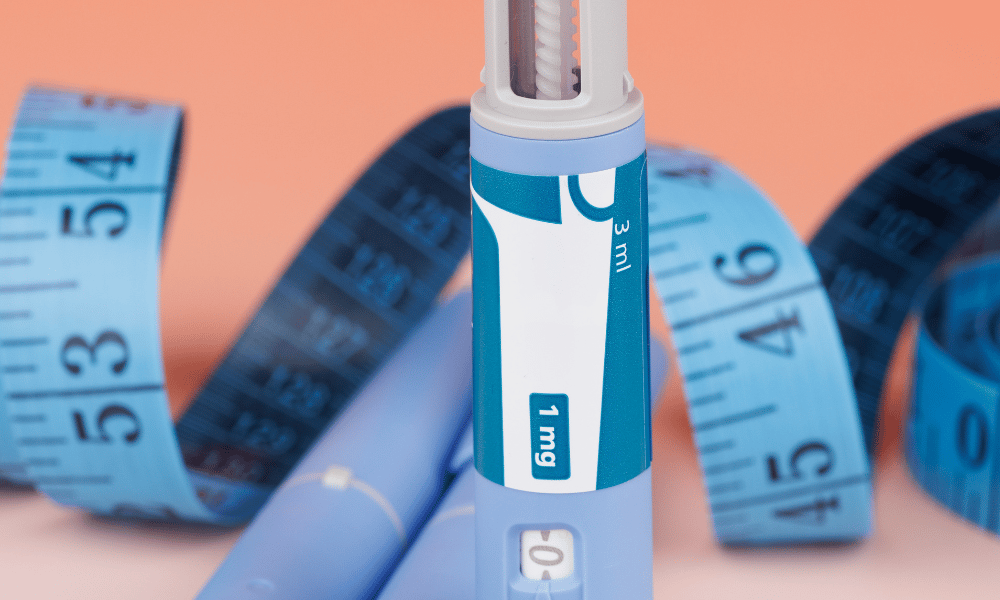
For the first time, obesity drugs could soon be available to millions of Americans at a fraction of their current cost, following new agreements between the Trump administration and drugmakers Eli Lilly and Novo Nordisk, according to The Canadian Press.
These deals promise to expand access and lower prices for Zepbound and Wegovy—medications that have transformed obesity treatment but have remained out of reach for many due to high price tags and limited insurance coverage.
Under the new arrangements, starting doses of oral GLP-1 medications, if approved by the FDA, will cost US$149 per month, while injectable versions will initially average US$350 per month, with a planned reduction to US$250 over the next two years, as reported by CNN.
These prices will be available through TrumpRx, a direct-to-consumer platform launching in early 2026.
Eli Lilly has confirmed that Zepbound will be offered at US$299 for the lowest dose and up to US$449 for higher doses, representing a US$50 reduction from current self-pay options.
Novo Nordisk stated it will update its pricing for Wegovy and Ozempic in the coming weeks.
The agreements also include expanded Medicare coverage for GLP-1 drugs.
According to administration officials cited by CNN, Medicare enrollees with obesity and certain related health conditions—such as diabetes, prediabetes, or cardiovascular disease—will be eligible for the drugs with a US$50 monthly copay starting mid-2026.
The manufacturers will reduce the price Medicare pays to US$245 per month, a move expected to generate program savings.
Medicaid programs will also see lower prices, though implementation will depend on negotiations with individual US states.
These developments come amid mounting pressure to address the high cost of prescription drugs and the growing prevalence of obesity.
More than 100 million American adults are obese, according to federal estimates reported by The Canadian Press.
Clinical trials have shown that GLP-1 drugs can help patients lose 15 percent to 22 percent of their body weight, but the need for ongoing treatment and high monthly costs—often exceeding US$1,000—have made access challenging for many.
Despite the promise of lower prices, policy experts have raised questions about the scope and impact of the deals.
Juliette Cubanski of KFF told NBC News that “it’s a situation where we have more questions than answers,” noting that some discounts apply only to the lowest doses and that Medicare coverage will not extend to those seeking the drugs solely for weight loss.
Art Caplan of NYU Grossman School of Medicine described the details as “murky,” while Lawrence Gostin of Georgetown University cautioned against negotiating prices for drugs not yet approved by the FDA.
The Trump administration has also revived Most Favoured Nation pricing, requiring drugmakers to match US Medicaid prices to those paid in peer nations, as per CNN.
In return, the companies will receive tariff breaks and expedited regulatory review for certain medicines. Both Eli Lilly’s orforglipron and Novo Nordisk’s Wegovy pill are set for accelerated FDA review.
Obesity clinicians and patients have expressed cautious optimism.
Leslie Golden, an obesity medicine specialist, told The Canadian Press that affordability remains a significant barrier, with many patients struggling to maintain access even with insurance.
Kimberly Gudzune, chief medical officer for the American Board of Obesity Medicine Foundation, said the changes could make a meaningful difference for those previously priced out of treatment.


