
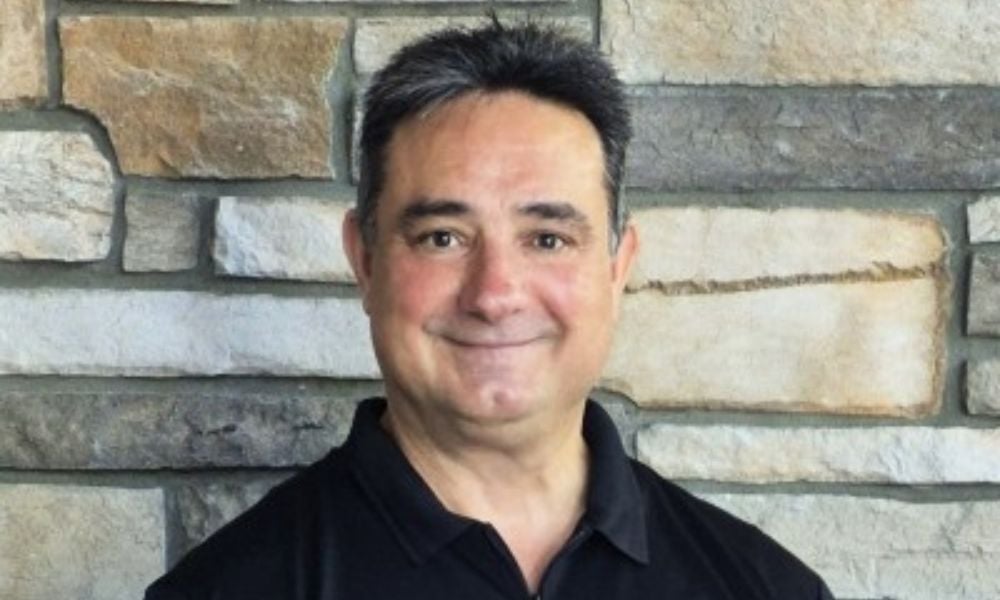
‘The ultimate goal is to have vitality, to feel alive,’ says Bob Laura
When it comes to planning for retirement, men and women face their own set of challenges. While women tend to prepare holistically, looking at what everyday life will look like, men cling to money and identity.
But as one retirement expert suggests, the gap between those approaches is costing both groups in ways both the retirement industry and plan sponsors have been slow to address.
"If I do a non-financial workshop, there's usually 70 per cent women there because they know the importance of it, whereas men are kind of like, ‘I'll figure it out’," notes Bob Laura, founder of Retirement Coaches Association and VSP Individual Vision Plans Partner. “There’s a really big gap in how they approach it. The challenge there is for both of them to figure out those pieces.”
According to Laura, women save less but notably live longer, while men have more money but fewer social connections. He argues the real failure isn’t that these gaps exist but that the system does almost nothing to close them. Women face an extended period as widows, often making major housing, location, and financial decisions alone after years spent as caregivers.
Contrastingly, men lean on identity and money and fall short everywhere else. Laura believes men's biggest blind spot heading into retirement is their lack of social infrastructure.
“When men get to retirement, they have to build a lot of stuff. They have to build new relationships, build new routines to stay healthy and active. It’s just helping people understand how relationships work. Historically, men with their friendships, have to be doing something. We have to be golfing, or we have to be at a car show or at a ball game,” said Laura.
Whereas women can simply meet at a coffee shop, enjoy the company and “strengthen their relationships.” That ease of connection gives women a built-in advantage, noted Laura.
That distinction - building versus strengthening – is central to how the two groups experience the transition. After all, women are, hands down, better prepared for the non-financial side of retirement, Laura suggests, particularly as women have weathered more life transitions, hold more roles beyond their careers, and don’t anchor their identity to work the way men do. That makes the shift easier to absorb.
“Women tend to find themselves more in a caregiver's role and are more likely to be forced into retirement because of a caregiving role so you really have to start to think about when those factors could start showing up. Women tend to be more resilient because they've gone through more transitions in life. And they also don't identify as strongly just with their work," he said.
While men and women share the same basic need for financial preparation, Laura noted their risks in retirement often diverge sharply. For women, the biggest vulnerability is longevity, especially the possibility of spending many years as a widow after devoting time, money, and energy to a spouse's care. That can leave them facing major housing, relocation, and financial decisions alone, often without enough preparation or support.
He argues that women in caregiving roles need to be more intentional about protecting themselves, seeking respite, and thinking through difficult scenarios early rather than waiting for a crisis.
For men, Laura sees a different problem. Notably, too many arrive at retirement having overinvested in work and underinvested in relationships, health, and daily life outside the job. Many also assume retirement will automatically create time for family reconnection, but that ignores the fact that spouses, children, and grandchildren may already have full lives of their own.
Laura suggests the question of purpose in retirement is universal, but men and women often reach it from different directions. Women tend to have a stronger built-in sense of purpose through family care and nurturing roles, even though caregiving can easily take over their lives and dictate the course of retirement. As a result, they are often thinking less about mere survival and more about how to flourish, with an emphasis on vitality, health, and meaningful time with family.
Contrastingly, men often respond better when retirement is framed less as flourishing and more as a challenge to be met. Laura argues that many men need to think in terms of what it means to succeed after work ends: replacing the identity once supplied by a career, building structure into their days, staying socially connected, and remaining mentally and physically engaged.
The single missed opportunity, Laura argues, sits with plan sponsors. The conversation stays fixated on saving more and accumulating more money, when the real gap is education and spousal involvement.
Additionally, he suggests employers still underestimate the gap between what workers think retirement will be like and what they actually face once they get there. Too many people assume they will sort it out after leaving work, only to discover that the adjustment is harder, slower, and more complicated than expected.
He suggests that disconnect creates a clear opening for employers to offer more practical guidance before employees retire. To that end, he argues organizations should build support systems around the transition itself, not just around benefits enrollment and savings decisions.
“I believe employers could create alumni groups where they invite people who’ve retired to come back to share their experience,” he said. “If people are thinking about retirement, they could go through a class or have access to a retirement mentor or retirement coach. That would be really, really valuable. I think pre-retirement people think once I get there, I'll figure it all out. Post-retirement, it's really hard. And most people say it's harder, it takes longer, and they wish they had more guidance up front,” noted Laura.
Laura ultimately underscored how long-term success in retirement depends on preserving independence, which means paying attention to the small health issues that gradually narrow a person's world, things like declining night vision, hearing loss, and reduced mobility. Laura believes women are generally better at staying ahead of those issues, while men too often delay action until the problem is already affecting their lives and becomes urgent.
"It's about becoming more aware of some of those health-related factors and getting preventative care,” said Laura. “The ultimate goal is not just to be happy and fulfilling, but it's to have vitality. It's to feel alive."


