Study reveals low retirement confidence and sharp gender gaps among global savers
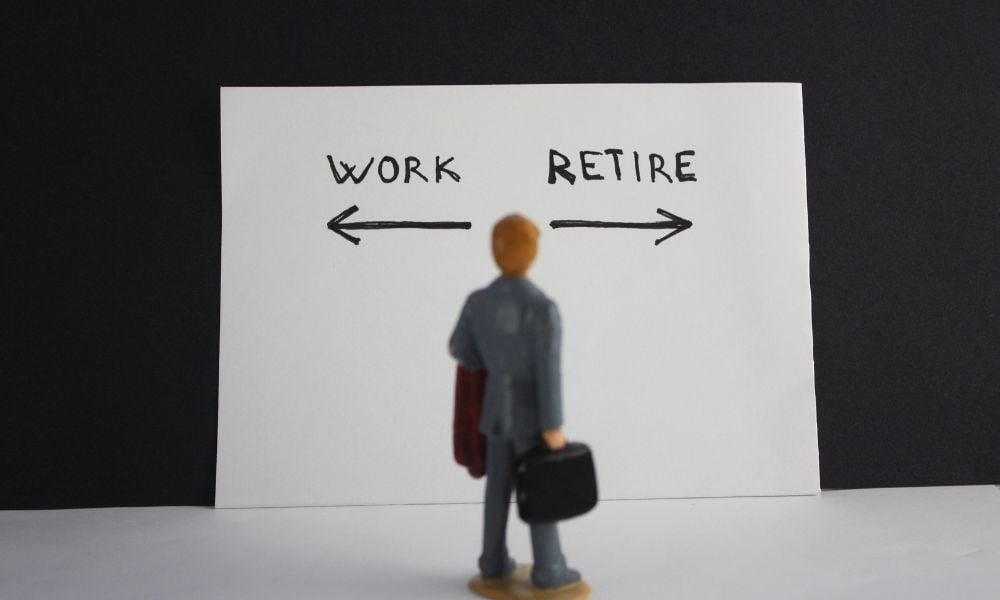
Nearly one in three retirement savers worldwide now expects to keep working after they “retire” –and many doubt their money will last.
T. Rowe Price’s inaugural Global Retirement Savers Study, based on more than 7,000 workers, finds that 34 percent of respondents expect to work at least part-time in retirement.
That figure climbs to 37 percent in the US, underscoring a trend of “unretiring” the firm has been tracking, including in the US and Hong Kong.
Economic anxiety sits in the background of these expectations.
Half of respondents expect a recession by mid-2026.
Inflation ranks as the top concern for 42 percent of savers, followed by geopolitical events (30 percent) and interest rates (27 percent).
At the household level, 17 percent believe they will run out of money in retirement, and only 27 percent say they feel confident they could withstand a major financial shock once retired.
Jessica Sclafani, global retirement strategist at T. Rowe Price, said “research is at the heart of everything we do” and helps the firm track the evolving needs of retirement savers around the world.
Longer life spans, financial uncertainty and shifting expectations are “redefining retirement—transforming it from a fixed destination to an evolving journey that demands new thinking from both savers and the industry.”
She said that by studying these shifts in attitude, the firm can “better understand what savers need today and empower them with the strategies and solutions that can build financial security, confidence, and optimism for the future.”
The study points to sharp regional differences in outlook.
Economic pessimism runs highest in Japan and Canada, where 62 percent and 56 percent of respondents, respectively, foresee a recession.
Savers in the US, Australia and the UK appear more upbeat, with less than half expecting a near-term downturn.
Retirement expectations themselves are subdued. Only 31 percent of global respondents expect to live as well or better in retirement.
Pessimism is most pronounced in Japan and Australia, while optimism is highest in the UK.
The research highlights a pronounced gender gap in retirement confidence.
Women—especially single women—report significantly lower confidence than men.
In Australia, 31 percent of men report high retirement confidence compared to just 15 percent of women.
Emotional readiness for retirement appears closely tied to financial footing. About one-third of global retirement savers say they feel excited for retirement.
Those who are excited are more likely to be higher earners, more likely to be married (39 percent versus 30 percent of single savers), and twice as likely to report progress toward their financial goals.
Advice channels also matter.
Three of the four most relied-upon sources of financial advice for global savers are workplace-related, with the highest reliance reported in the US Japanese respondents stand out as more likely to self-direct than their peers in other regions.
Despite the growth of digital tools, human advisors remain central—tied with the retirement plan recordkeeper as the most relied upon source of advice worldwide.
Michael Davis, head of global retirement strategy at T. Rowe Price, said the firm “remains focused on turning insights into action.”
He said it will use the findings to shape solutions and partnerships with employers, providers and policymakers, and aims to “strengthen financial confidence and deliver better retirement outcomes across every region we serve.”