
Practical insights for Canadian pension trustees and boards according to industry experts, Ana Nunes and Sean Hewitt
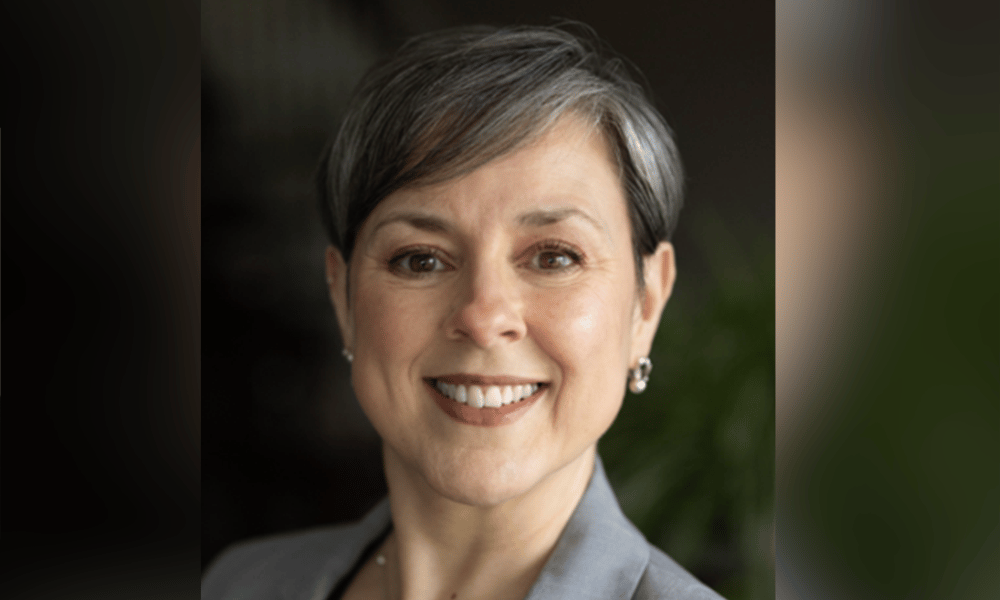
Strong governance forms the foundation of Canada’s pension plans, ensuring members’ benefits remain secure while boards adapt to new risks, regulatory changes, and long-term strategic priorities. At the recent ACPM National Conference in Halifax, industry leaders Ana Nunes and Sean Hewitt shared practical strategies for boards and pension committees seeking to enhance oversight, strategic focus, and resilience in the face of change during their panel discussion “Mastering Pension Governance: Risk, Strategy & Success,” moderated by Amy Pun.
Building the right team for the future
Attracting and developing trustees with the right expertise—and the right mindset—requires more than simply filling vacancies as they arise. There is value of developing a skills matrix to map out the board’s existing strengths and areas needing fresh perspectives. This exercise can help guide both recruitment efforts and succession planning, ensuring the right expertise is in place when needed.
However, technical pension industry knowledge alone should not become barriers. Some boards may set the bar so high that strong candidates without prior pension experience feel discouraged or excluded. A willingness to learn, coupled with curiosity, critical thinking and commitment, often proves as valuable as deep technical expertise, especially since pension knowledge can be taught through structured training, mentorship programs, and on-the-job opportunities.
Some boards have introduced “trustees-in-training” or board observer roles to build a pipeline of future leaders well before vacancies arise. Staggered board terms, meanwhile, support continuity while creating room for new perspectives. These approaches, combined with clear onboarding materials and strong networks, help boards attract diverse candidates who reflect both the membership’s lived experiences and the skill sets required for modern governance.
Education as a continuous journey
Onboarding is only the beginning. Board education must be relevant, timely, and tailored to the needs of trustees throughout their terms. Some boards have created individual learning plans for trustees, combining formal training sessions with practical, on-the-job exposure such as attending subcommittee meetings or engaging in decision history reviews.
A mix of resources—ranging from in-person conferences and webinars to recorded education sessions and quick-reference “cheat sheets”—accommodates different learning styles while ensuring knowledge remains accessible for both current and future trustees.
Importantly, education should be integrated into the board’s routine rather than treated as an optional or separate add-on. Many boards now dedicate part of each meeting to short, targeted education segments, making continuous learning an expectation rather than an afterthought. A formal Trustee Education Policy or Governance Policy education section can reinforce these expectations, while periodic evaluations help boards measure whether education efforts are meeting their intended goals.
Balancing strategy and operations
Trustees often struggle to balance day-to-day operational oversight with long-term strategic priorities. We recommended starting with a clear articulation of the board’s long-term goals, aligned with member interests and regulatory obligations, and using these as the foundation for short-term decision-making.
Dashboards and key performance indicators (KPIs) can make progress visible and help trustees quickly identify whether strategic objectives remain on track. Annual strategy sessions, often supported by external speakers or experts, provide opportunities to revisit priorities, consider emerging trends, and adjust course where needed.
Boards add the most value when they focus on foresight and insight—where their perspectives matter most—while operational oversight becomes routine and efficient.
Strengthening risk oversight
Pension plans face an ever-expanding list of risks, from geopolitical instability and cyber threats to the financial implications of climate change and artificial intelligence. It is important to maintain a “living” risk register that is reviewed and updated regularly, with clear articulation of both the plan’s risk appetite and its risk tolerances.
Funding risks also remain top of mind, particularly around surplus management and intergenerational equity in defined benefit plans. By embedding risk oversight into the board’s regular routines and aligning practices with CAPSA Guideline #10, boards can strengthen their preparedness for both emerging risks and ongoing challenges.
Making CAPSA guidelines practical
Regulatory requirements and new guidance can seem overwhelming, but boards can start by documenting current practices and assessing gaps before attempting major overhauls. Many boards will likely find that they already align with key elements of CAPSA’s Guideline #10, and that new considerations arising from the guideline lead to helpful discussions and decisions.
Incremental improvements—such as integrating compliance checklists into standard reporting cycles or tackling one or two priority improvements each year—make the process more manageable. Evaluating and celebrating progress along the way helps ensure activities are seen as part of effective governance rather than as a burdensome “tick box” exercise.
Board culture and dynamics: the human element
Finally, the right board culture and tone are essential: courage, curiosity, and the ability to engage in constructive debate are as important as technical expertise. Boards that encourage candor and dissent, rather than polite agreement, often reach better decisions.
Regular board and chair evaluations, one-on-one check-ins between trustees and the chair, and clear expectations around meeting preparation and participation all help build stronger governance practices. Informal opportunities for trustees to connect—whether through conferences, dinners, or social gatherings—can also strengthen relationships and improve boardroom dynamics.
Sidebar: top 10 governance tips for pension boards
1. Map your board’s skills and diversity to identify strengths and gaps.
2. Broaden recruitment criteria to value curiosity and commitment alongside technical expertise.
3. Introduce trustees-in-training or observers to build leadership pipelines.
4. Make education continuous, integrating it into regular board meetings.
5. Use dashboards and KPIs to keep strategy front and centre.
6. Hold annual strategy sessions with external speakers for fresh perspectives.
7. Maintain a living risk register reviewed and updated regularly.
8. Embed risk management activities into routine reporting and discussions.
9. Foster a culture of candor and encourage constructive dissent.
10. Evaluate board and chair performance to support continuous improvement.
Conclusion: a roadmap for stronger governance
Mastering pension governance requires more than policies and procedures. It demands thoughtful succession planning, a commitment to lifelong education, a sharp focus on long-term strategy, and a board culture that values openness, candor, and continuous improvement.
By embedding these practices into their governance routines, pension boards can meet today’s challenges while positioning themselves for tomorrow’s opportunities—ultimately protecting and enhancing the retirement security of their members.
Ana Nunes brings over 30 years’ experience as an actuary, investment, operational and governance professional. She is currently chair of the board of trustees of the MoveUP/ICBC Pension Plan in British Columbia. Ana is a CFA Charterholder and holds the ICD.D designation from the Institute of Corporate Directors and also holds an Honours Bachelor of Science degree from McMaster University. She runs her own consulting business, APN Advisory Canada in Toronto, Ontario.
Sean Hewitt serves as the president and CEO of Vestcor Inc., a pension and investment organization with over CAD $23 billion in assets and 114,000 members. Before joining Vestcor, Sean was the inaugural CEO of the Toronto Transit Commission (TTC) Pension Plan. Originally from Calgary, AB, Sean earned a BA Economics from the University of Calgary. He is a CFA charter holder and holds an ICD.D designation from the Institute of Corporate Directors.


