
Canadian pension leaders eye gold and foreign currencies as US Treasuries face rising risk perception
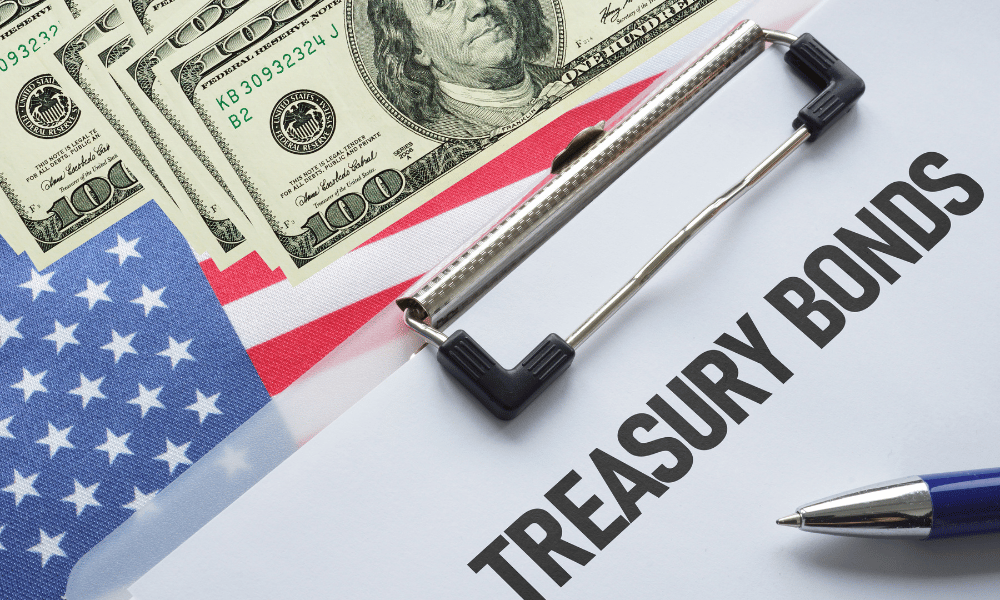
US Treasury bonds, long considered a bedrock of global portfolios, may be on the verge of losing their haven status if US fiscal stress continues, according to Manroop Jhooty, head of total fund management at the Canada Pension Plan Investment Board (CPPIB), as reported by Bloomberg.
Jhooty cautioned, “We worry that if the fiscal scenario continues for a period of time” the Treasury market could stop being a haven, raising concerns for institutional investors seeking reliable diversification.
This warning comes as the US government shutdown drags on and market participants voice growing anxiety over the dollar’s future.
For now, CPPIB, which manages $731.7bn across global asset classes, is maintaining its US exposure, with the country accounting for about half its holdings.
Jhooty described bonds as a “good diversifier in any asset allocation strategy,” but warned that Treasuries could “lose this diversification effect because it looks more and more like a risky asset and less and less like a risk-free asset,” according to Bloomberg.
The shift in sentiment is echoed by prominent investors.
Ray Dalio recently stated that gold is “certainly” more of a haven than the US dollar, drawing parallels to the bullion rally of the 1970s, a period marked by high inflation and economic instability.
Citadel’s Ken Griffin similarly noted that gold’s rise reflects anxiety about the US currency.
As per Bloomberg, the dollar has weakened against every major currency this year, following uncertainty from US President Donald Trump’s trade war, marking its biggest slide since the 1970s.
Meanwhile, the bond market is experiencing notable changes in demand dynamics.
According to Bloomberg, a record low share of Thursday’s US$22bn auction of 30-year Treasury bonds was awarded to major US bond dealers—just 8.7 percent—the lowest since at least 2006.
The remainder of the auction was absorbed by direct and indirect institutional bidders, underscoring a two-decade decline in primary dealer participation.
Bloomberg Intelligence’s Will Hoffman described demand for the 30-year sale as “solid,” but the trend highlights the growing influence of passive investment funds and the expansion of the Treasury market outpacing dealers’ capacity.
Jhooty noted that, despite these challenges, the US Treasury market has held up better than its counterparts in the UK and Japan, where similar fiscal concerns exist.
However, he pointed out that “certainly gold has been a beneficiary as an alternative store of risk-free assets,” and identified European currencies such as the Swiss franc as other “stores of value,” as reported by Bloomberg.


