
Hiring slowdown drives Fed toward more cuts, but missing data clouds outlook for pensions and benefits
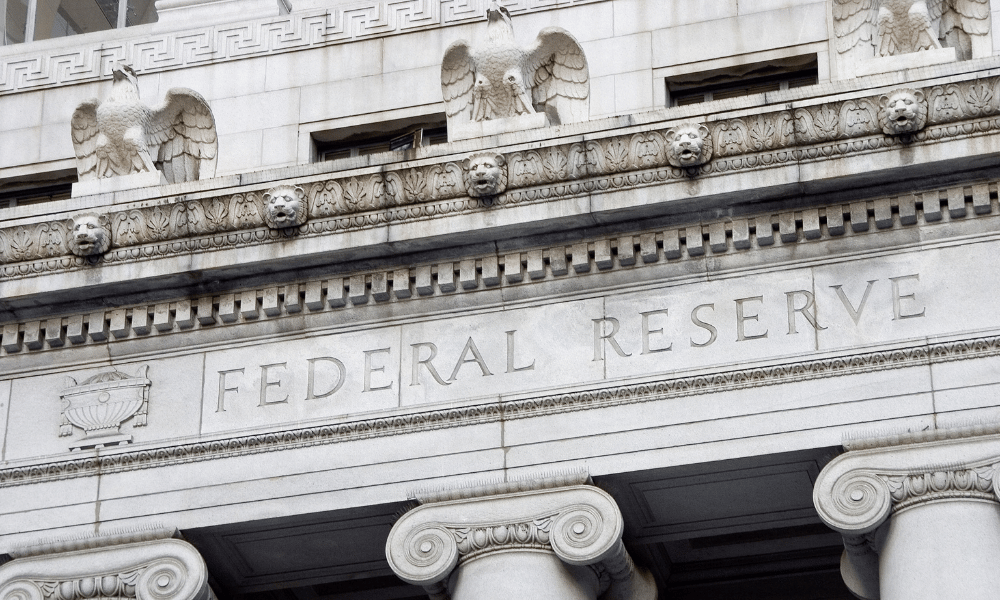
A sharp slowdown in US hiring is now at the centre of the Federal Reserve’s policy debate. Officials are preparing for further interest rate cuts even as critical economic data remains out of reach due to the ongoing government shutdown.
This is according to remarks from US Fed Chair Jerome Powell and recent reporting by Reuters, CNBC.
With official employment figures suspended since October 1, policymakers are “just flying blind,” said David Seif, chief economist for developed markets at Nomura, as quoted by Reuters.
The most recent available data shows job growth averaging just 29,000 per month from June through August—well below pre-pandemic levels—while business confidence surveys and the Fed’s own field reports point to weakening consumer spending and new risks emerging in the financial sector.
Despite these headwinds, inflation remains stubbornly above the Fed’s 2 percent target, with the Personal Consumption Expenditures Price Index rising from 2.3 percent in April to 2.7 percent in August, as reported by Reuters.
The US Consumer Price Index for September is expected to show a 3.1 percent annual increase, according to economists polled by Reuters, a pace likely to keep concerns about persistent inflation alive among some policymakers.
Powell, speaking at the National Association for Business Economics conference, emphasized that the balance of risks has shifted: “Rising downside risks to employment have shifted our assessment of the balance of risks,” he said, as reported by AP News.
While the Fed’s September meeting produced the first rate cut of the year, Powell’s latest remarks solidified expectations for two more cuts before year-end, with the central bank also considering an end to its balance sheet reduction program in the coming months, as noted by CNBC.
For pension and benefits professionals, the implications are clear: lower rates could ease borrowing costs and support asset values, but uncertainty around the labour market and inflation trajectory remains high.
Powell acknowledged that while tariffs have lifted inflation to 2.9 percent, there are no “broader inflationary pressures” outside of these duties, as per AP News.
The lack of comprehensive government data has forced the Fed to rely on alternative sources, such as state-level unemployment claims and private payroll reports, but these are “not as comprehensive nor are they as calibrated,” Richmond Fed President Thomas Barkin told the Richmond Association for Business Economics, as cited by Reuters.
Looking ahead, the Fed’s next moves will depend on how inflation and employment data evolve.
“If we move too quickly, then we may leave the inflation job unfinished... If we move too slowly, there may be unnecessary losses, painful losses, in the employment market,” Powell said, as reported by CNBC.
For now, the central bank is proceeding with caution, but as the shutdown drags on, confidence in the economic outlook is eroding, as Minneapolis Fed President Neel Kashkari noted last week.


