
High-speed line promises faster trips and decades of stable infrastructure cashflow
A new high-speed rail line between Toronto and Quebec City could channel up to $90bn into long-lived Canadian infrastructure and add $35bn to GDP, positioning it as a potential anchor asset class for institutional investors.
According to Bloomberg, the federal government has selected a consortium called Cadence to design, build and operate the roughly 1,000‑kilometre Alto high‑speed rail corridor.
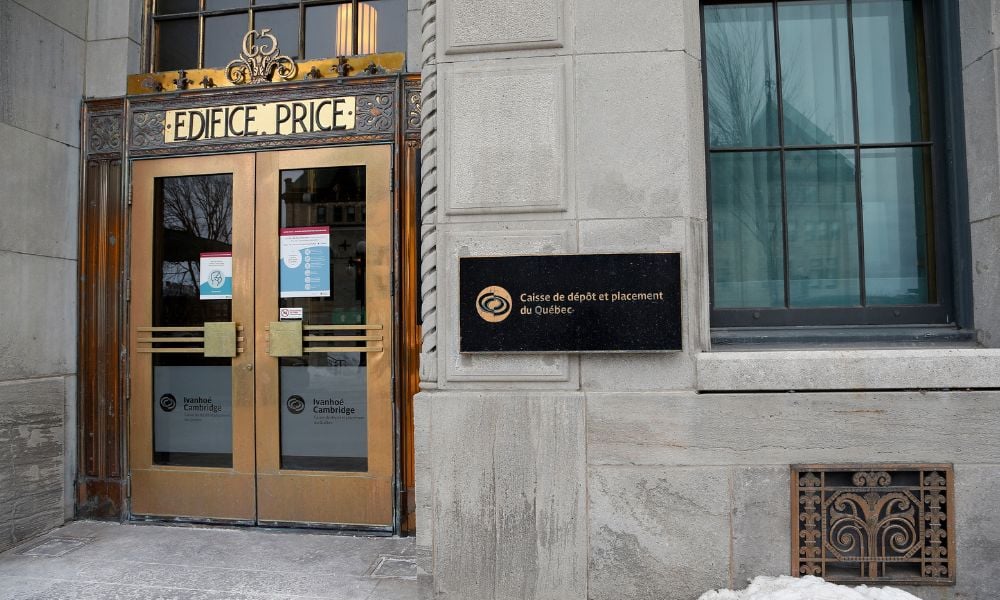
The group includes Caisse de dépôt et placement du Québec’s infrastructure unit, AtkinsRéalis Group Inc., Systra SA, Groupe Keolis SAS, Air Canada and SNCF Voyageurs.
Bloomberg reported that Alto estimates the total project cost at between $60bn and $90bn, with the build expected to support about 51,000 jobs during construction.
Railway News reported that Ottawa–Montreal will be the first segment to proceed, after the federal government confirmed this corridor as the initial priority on 12 December.
The approximately 200‑kilometre section will cross the Ontario–Quebec boundary and is currently expected to enter construction in 2029.
Bloomberg reported that Alto plans to begin with the Ottawa–Laval–Montreal stretch because it is the shortest and most technically straightforward segment, which Alto described in a technical document as offering “the quickest route to getting shovels in the ground and trains on the tracks.”
According to Railway News, Alto plans to run high-speed trains at up to 300 kilometres per hour on dedicated tracks, linking Toronto, Peterborough, Ottawa, Montreal, Laval, Trois‑Rivières and Quebec City.
Bloomberg noted that current Toronto–Montreal passenger services take about five and a half hours and often face freight‑related delays on Canadian National Railway Co. tracks; Alto’s dedicated corridor is intended to cut travel times by nearly half.
Railway News reported that the federal government views Alto as a long-term infrastructure investment and intends to draw on Canadian suppliers and workers across steel, concrete, electrical systems, digital technologies and skilled trades.
From January 2026, Alto will run a three‑month public consultation focused on the Ottawa–Montreal corridor, including open houses, online sessions and a digital engagement platform.
Feedback will inform decisions on alignment, station locations and mitigation of environmental and community impacts.
Engagement with Indigenous communities, municipalities and public institutions is expected to continue through design, environmental assessment, construction and operations, as per Railway News.
Alto Chief Executive Officer Martin Imbleau framed the scale of the undertaking in national terms. “This is nation-building stuff,” he said, according to Bloomberg.
“The project represents a generational investment in Canada’s future economy.”


