Legal pressure on the Fed reshapes dollar risk, long yields and long‑horizon plan returns
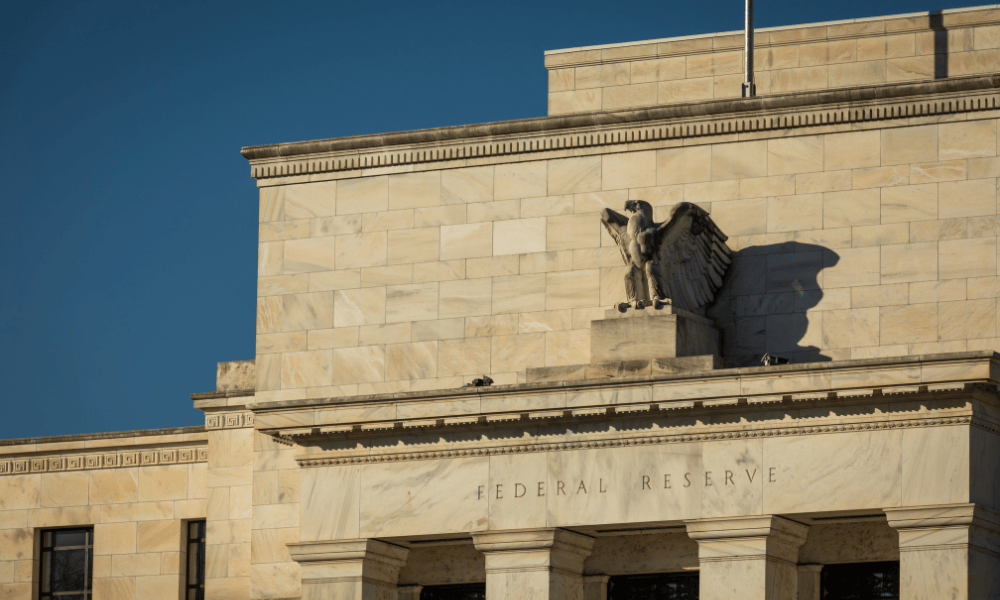
The possibility that Jerome Powell could face indictment over rate policy is now a live risk, and it goes straight to the heart of inflation, bond yields and long-term return assumptions.
According to Reuters, US Federal Reserve Chair Jerome Powell said the US Department of Justice has subpoenaed the Fed and threatened him with criminal charges over his 2025 congressional testimony on a US$2.5bn head office renovation.
He called the move a “pretext” for the White House to gain more influence over interest rates, which US President Donald Trump wants cut sharply.
He added that the threat is “a consequence of the US Federal Reserve setting interest rates based on our best assessment of what will serve the public, rather than following the preferences of the president.”
The White House denies directing the probe, Reuters said.
Markets treated it as a challenge to Fed independence, not just another Washington spat.
The US dollar index fell 0.37 percent, with the euro and Swiss franc both strengthening, while BNN Bloomberg reports that gold rose 2.5 percent to a record settlement of US$4,614.70 per ounce.
Nomura FX analysts told Reuters the weaker US dollar reflects “Fed independence risk” on top of expectations that the US Supreme Court may eventually rule against Trump’s IEEPA tariffs.
BNN Bloomberg also reports that the 10-year US Treasury yield briefly edged up to 4.21 percent before settling back at 4.18 percent, as investors weighed the risk that a politically constrained Fed might let inflation run higher over time.
In comments to Reuters, Karl Schamotta of Corpay warned that aggressive legal pressure on Fed officials could push inflation expectations higher, erode the US dollar’s safe-haven status and trigger a rise in long-term bond yields that lifts borrowing costs across the US economy.
The Canadian dollar has already reacted.
Global News reports the loonie firmed from about 71.90 US cents on Jan. 9 to roughly 72.10 US cents on Jan. 12 as the US dollar weakened after Powell’s statement.
Patrick De Haan of GasBuddy told Global News that a weaker US dollar can shave Canadian gasoline prices because global oil prices are denominated in US dollars, though ongoing geopolitical risks in Venezuela, Iran and the Russia–Ukraine conflict could limit that relief.
The core issue is not Monday’s market bounce but the potential shift in regime.
Central banks like the Fed and the Bank of Canada are expected to operate independently, adjusting rates to balance inflation and growth rather than political priorities.
Andrew DiCapua of the Canadian Chamber of Commerce told Global News that “we need to hold that independence paramount because inflation expectations really do drive future inflation.”
On the political front, that premium may not fade quickly.
According to Reuters, US Senator Lisa Murkowski supports Senator Thom Tillis’ pledge to oppose any Fed nominee, including the next chair, until the legal dispute is resolved.
Trump is expected to replace Powell with a more dovish chair when his term ends in May, and is set to interview BlackRock bond chief Rick Rieder as one of four finalists.
BNN Bloomberg reports that Trump is trying to fire Fed Governor Lisa Cook and has already branded Powell “Too Late.”