Surging Strait of Hormuz tensions push oil toward US$80, lifting Canadian fuel costs, and inflation risks
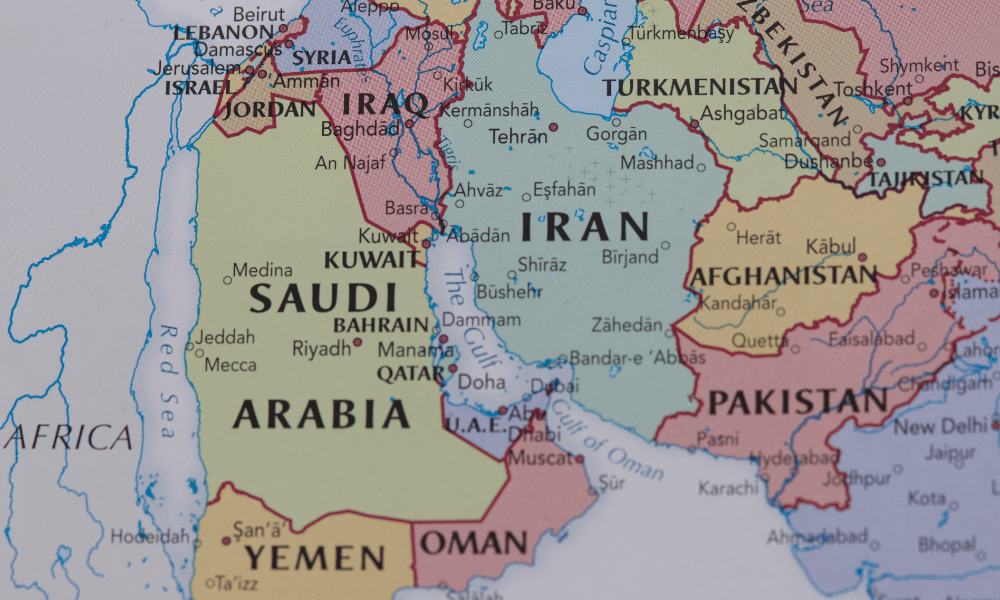
A single shipping lane on Iran’s southern coast now sits at the centre of the outlook for inflation, interest rates and returns for Canadian long‑term investors.
The US and Israel’s assault on Iran has pushed crude higher as tanker traffic through the Strait of Hormuz, a route that carries about one‑fifth of global oil consumption, faces disruption.
Analysts quoted by the Financial Times say “oil is the critical channel” through which the conflict can derail global growth, central bank rate‑cutting plans and business confidence if prices spike and stay high.
The Financial Times reports two main oil‑market scenarios.
In the worst case, all traffic through the Strait of Hormuz could be significantly and prolongedly disrupted.
Edward Fishman of the Council on Foreign Relations says the strait is “the most important maritime chokepoint in the world.”
Given the strait’s share of global flows, he warns that a shutdown would be a “monumental shock to the global oil price” and could push Brent above US$100 a barrel.
In a less severe scenario, Hormuz does not fully close, but Iran’s own oil sales are shut down, which Fishman says could still drive prices to at least US$80 a barrel.
Markets have already moved.
The Financial Times says Brent recently traded near a seven‑month high around US$73 a barrel, up nearly 12 percent over the past month.
CBC News reports Brent briefly reached US$78.04 before settling at US$75.79, while West Texas Intermediate (WTI) held around US$70.60.
BNN Bloomberg notes a one‑day jump of 7.6 percent in US crude to US$72.12 and an 8.6 percent rise in Brent to US$79.11.
CTV News says the April WTI contract settled at US$71.23, an increase of more than six percent.
Canadian consumers already see the impact.
CBC News reports average pump prices at 135.3 cents per litre, up from 128.8 cents a month ago.
CTV News puts the Canadian average at 135.7 cents, up 1.6 cents from Sunday and 4.1 cents from a week earlier, with Toronto and Vancouver seeing increases of about 4‑5 cents overnight.
Analysts quoted by CTV News say that if disruptions at Hormuz last weeks or months rather than days, higher gasoline prices could persist as long as tankers remain constrained.
For Canada’s macro outlook, higher oil prices cut both ways.
Bloomberg reports that Bank of Nova Scotia estimates a persistent US$10‑a‑barrel increase in WTI would raise Canada’s real GDP by 0.5 percent by the end of 2027 by shifting more nominal income into Canada and boosting energy profits, investment, employment and household spending.
At the same time, the model shows CPI 0.2 percentage points higher by the end of 2027 and the Canadian dollar about 3 percent stronger, which would dampen imported inflation but weigh on non‑energy exports.
This scenario implies the Bank of Canada’s policy rate would sit about 30 basis points higher by the end of next year.
Andrew Kelvin of Toronto‑Domionion Bank told Bloomberg “a move higher in oil prices lowers the risk of the Bank of Canada cutting rates this year.”
Deputy Governor Sharon Kozicki said in a speech, that overlapping supply shocks – including tariffs and now war‑related energy disruptions – complicate decisions because they pressure growth and prices at the same time.
Currency and fixed income markets show the same tension.
Reuters reports the Canadian dollar weakened about 0.4 percent to roughly 72.99 US cents on Monday even as oil rose 5.9 percent to US$70.96, with CIBC’s Sarah Ying saying “geopolitical risk and risk‑off still dominate” and that US dollars remain the “de facto haven currency.”
Reuters says the US dollar index posted its biggest gain since July, while Canadian government bond yields moved higher across the curve, tracking US Treasuries, as the jump in energy prices raised concerns about escalating inflation.
On the asset side, Canadian energy exposure looks more attractive.
BNN Bloomberg quotes Eric Nuttall of Ninepoint Partners saying “we’re finding the very best opportunities remain in Canada,” pointing to “decades worth of inventory in the oil sands, in the Clearwater, in different places,” and arguing that equity prices do not reflect where oil is trading now or where it could go.
He says “security of supply for oil and gas has become more important overnight” and calls the current situation “the worst‑case scenario for energy investors,” adding that “all prior playbooks are not applicable.”
Alberta’s budget underscores the fiscal risk tied to oil volatility.
CBC News reports the province expects $13.2bn in non‑renewable resource revenues next year – 18 percent of total revenue and its third‑largest source – and notes that every US$1 oil falls below forecast cuts about $680m from income.
Economists quoted by CBC News warn that relying on optimistic price assumptions leaves Alberta exposed to what one called a “structural deficit” and argue for genuine diversification and stronger saving in good years.
Globally, the Financial Times says a move in Brent to US$100 a barrel could add 0.6–0.7 percent to global inflation, and Barclays estimates that every sustained US$10‑per‑barrel rise can shave 10–20 basis points off growth over the next 12 months.
Yet Oxford Economics’ Innes McFee told the Financial Times that, despite a “litany” of geopolitical events, global growth and trade have remained “incredibly resilient.”