
New diagnostics and IPL aim to cut dry eye’s hidden costs for Canadian workplaces
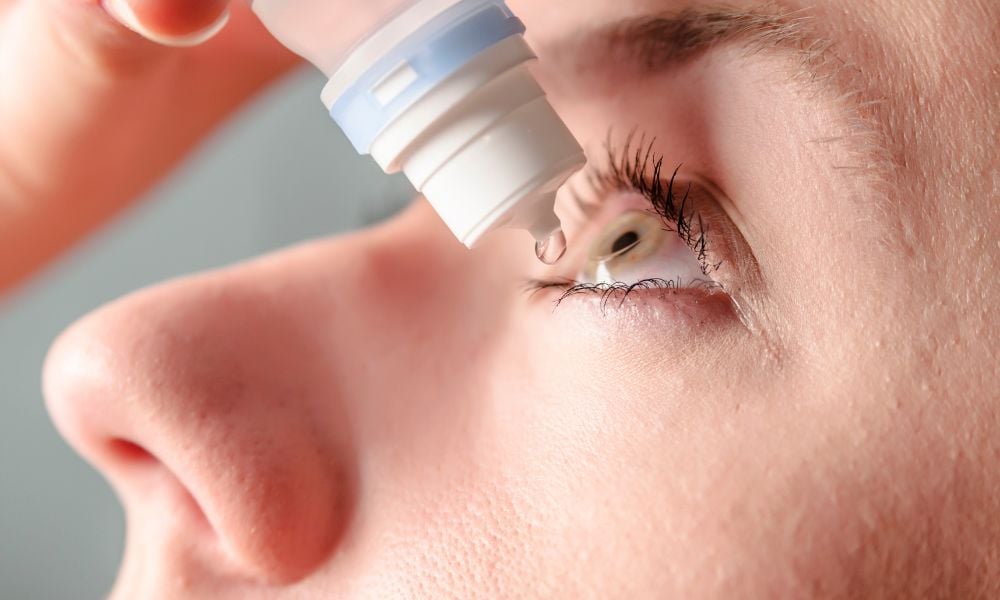
An estimated 8.2 million Canadians live with Dry Eye Disease, and nearly half – about 3.8 million – remain undiagnosed, leaving a significant share of people without formal care or ongoing management.
FYidoctors has launched a Dry Eye Treatment Program that uses advanced diagnostic technology, personalized treatment plans, and Intense Pulsed Light (IPL) therapy to address dry eye symptoms caused by Meibomian Gland Dysfunction.
Each of its 270 clinics offers advanced diagnostic testing and personalized dry eye treatment solutions, with a growing number adding IPL treatments.
Dry eye impacts millions of Canadians and affects women at significantly higher rates than men.
Cases continue to rise due to increased screen time, aging populations, and environmental factors.
Despite this, many people do not receive proper diagnosis or consistent care.
The program centres on three main elements: advanced diagnostics, tailored treatment plans, and subscription product integration.
State-of-the-art equipment measures tear film quality and ocular surface health for a precise understanding of each patient’s condition.
Each treatment plan is tailored to symptoms and lifestyle, combining in-clinic care, ongoing monitoring, and at-home therapy.
Patients can also access clinician-recommended dry eye relief products through FYidoctors’ online platform on a subscription basis to support long-term management and adherence.
Intense Pulsed Light (IPL) is a non‑invasive light‑based treatment that uses gentle light pulses to reduce eyelid inflammation, liquify stagnant meibum and improve meibomian gland function, with the aim of relieving dry eye symptoms associated with Meibomian Gland Dysfunction.
Optometrist Tanya Flood said “dry eye affects everyone differently, so the care we provide should be just as personal.”
She said her team uses advanced, research‑backed diagnostics to study each patient’s eye surface and then tailors treatment plans and product recommendations to that person’s needs, symptoms and daily life.


