
Shrinking current account deficit reshapes signals for Canadian investors
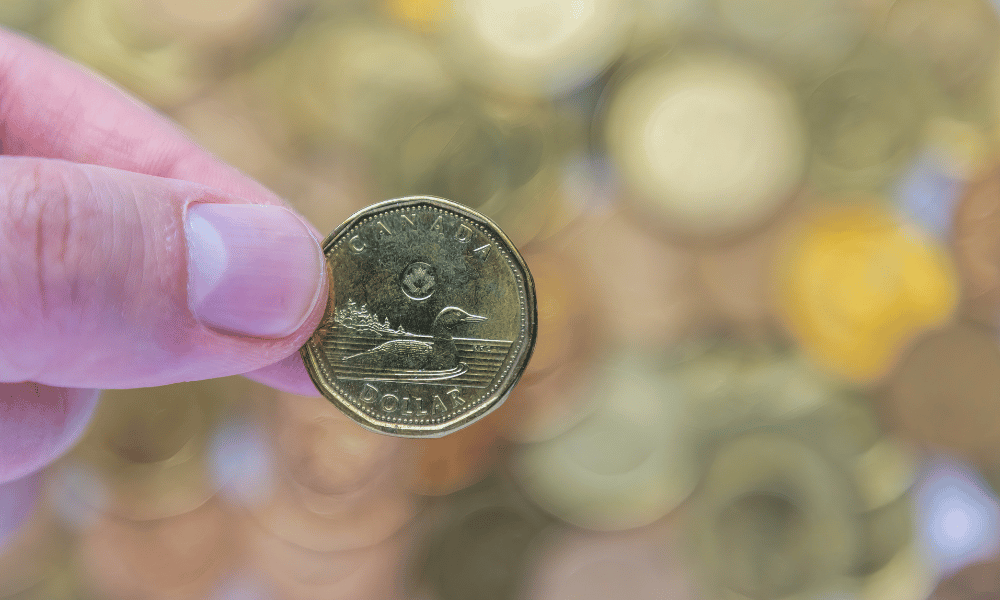
Canada’s external deficit shrank far more than expected last quarter, giving the loonie a small lift and adding a new data point to the outlook for interest rates and bond yields.
Reuters reported that Canada’s current account deficit narrowed to $9.68bn in Q3 from a downwardly revised $21.56bn shortfall in Q2, beating analyst expectations for a $16.5bn gap.
The surprise improvement came as the Canadian dollar edged 0.1 percent higher to 1.4030 per US dollar, or 71.28 US cents, in thin trading linked to the US Thanksgiving holiday.
The currency briefly touched 1.4029, its strongest intraday level since November 19, as markets priced in a growing chance of a US Federal Reserve rate cut in December.
Shelly Kaushik, a senior economist at BMO Capital Markets, said “the current account improved from a tough second quarter.”
She added that the broadest measure of trade will likely remain under pressure as long as trade uncertainty stays high and Canada-US negotiations remain on hold.
Reuters said that Trade tensions stayed in focus after Prime Minister Mark Carney said talks between the US and Canada on a trade deal in key sectors had not yet restarted.
Investors are now looking to Friday’s GDP release for further direction on monetary policy.
Analysts forecast annualized Q3 growth of 0.5 percent, an outcome that would narrowly avoid a second straight quarterly contraction and could influence expectations for additional Bank of Canada interest rate cuts.
Canadian government bond yields moved lower across the curve, with the 10-year yield slipping nearly one basis point to 3.131 percent after touching 3.124 percent, its lowest level since November 7.
In commodities, oil – one of Canada’s major exports – traded 0.3 percent higher at US$58.82 a barrel as markets weighed talks to end the war in Ukraine against the impact of Western sanctions on Russian supply.


