
Endometriosis and unexplained infertility raised the risk of early menopause and later health problems
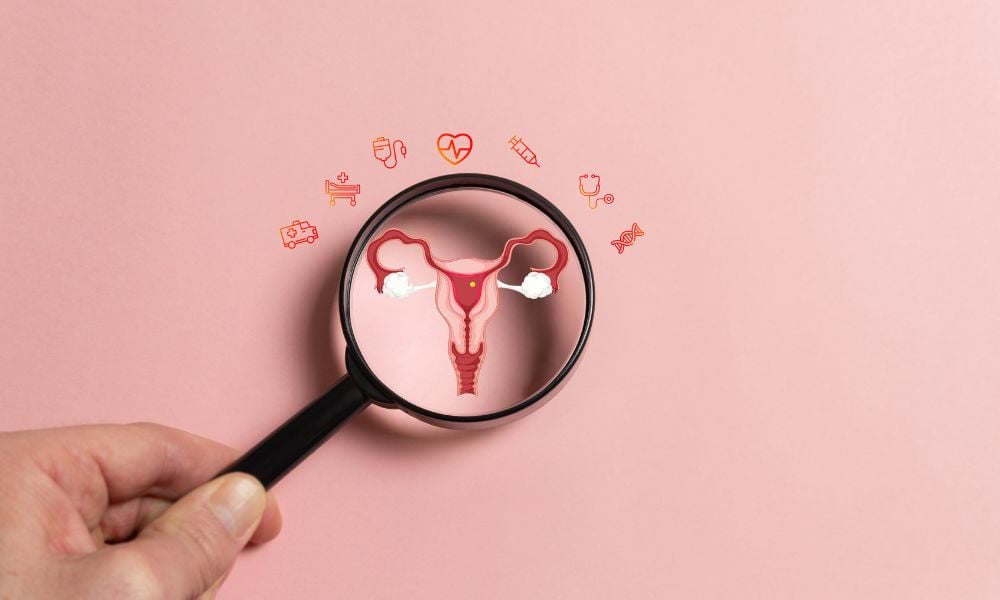
Infertility affects one in six people worldwide, and new research suggests it can also push some women into menopause years before their peers, with long-term health risks attached.
Both infertility and early menopause carry lasting health consequences, according to a new study published in Menopause, the journal of The Menopause Society.
The study notes that infertility raises the risk of cancer and cardiovascular disease, while women who reach early menopause, before age 45, or premature menopause, before age 40, face a higher risk of cardiovascular disease, osteoporosis and neurocognitive disorders.
The study found that women with a history of primary infertility reached natural menopause 1.17 years earlier than referent women and carried a higher overall risk of menopause, with a hazard ratio of 1.25.
The results held after adjusting for body mass index, tobacco use, race, menstrual cycle regularity and previous contraception use.
They were also more likely to undergo early menopause, between ages 40 and 44, than referent women (7.6 percent versus 3.0 percent).
Infertility type sharpened the picture.
Women with endometriosis reached menopause 2.75 years earlier than referent women, and women with unexplained infertility reached it 1.45 years earlier.
Unexplained infertility was the only type the researchers tied to a higher risk of natural menopause (hazard ratio 1.56).
These women may benefit from counselling about their risk, given the link between early menopause and "adverse long-term health consequences," wrote Stephanie Faubion, medical director for The Menopause Society.
That would help them watch for it and "seek treatment with hormone therapy, if indicated."
The study also flagged tobacco use, low body mass index, nulliparity and early menarche as risk factors for early and premature menopause.
Earlier research produced mixed results on the infertility link, the study notes, but those studies did not weigh different infertility types.
The researchers drew on the Mayo Primary Infertility Cohort, reviewing medical records of women diagnosed between 1980 and 1999, CTV News reported.
The authors cautioned that the cohort skewed toward White, highly educated women, which narrows how broadly the findings apply.


