Middle East war and supply cuts push crude higher, reshaping returns, and risks for Canadian pension money
An energy shock on top of a tariff fight is raising the odds of stickier inflation and a tougher interest‑rate path just as global markets – and long‑term savings – were looking for relief.
Oil benchmarks have climbed as the US–Iran war disrupts supply routes and raises risk premiums.
According to Reuters, Brent crude settled on Wednesday at US$81.40 per barrel, flat on the day but at its highest since January 2025, while US West Texas Intermediate (WTI) closed at US$74.66, its highest since June for a second straight session.
Brent had earlier gained more than US$3 to touch US$84.48 in morning trading before easing after a New York Times report that operatives from Iran’s Ministry of Intelligence had signalled openness to talks with the US Central Intelligence Agency on ending the war, citing officials briefed on the matter.
Momentum carried into the next session.
As per CNBC, by early Thursday Brent was trading up US$1.67, or 2.05 percent, at US$83.07 per barrel, while US WTI rose US$1.94, or 2.60 percent, to US$76.60, as markets focused on the prolonged closure of the Strait of Hormuz.
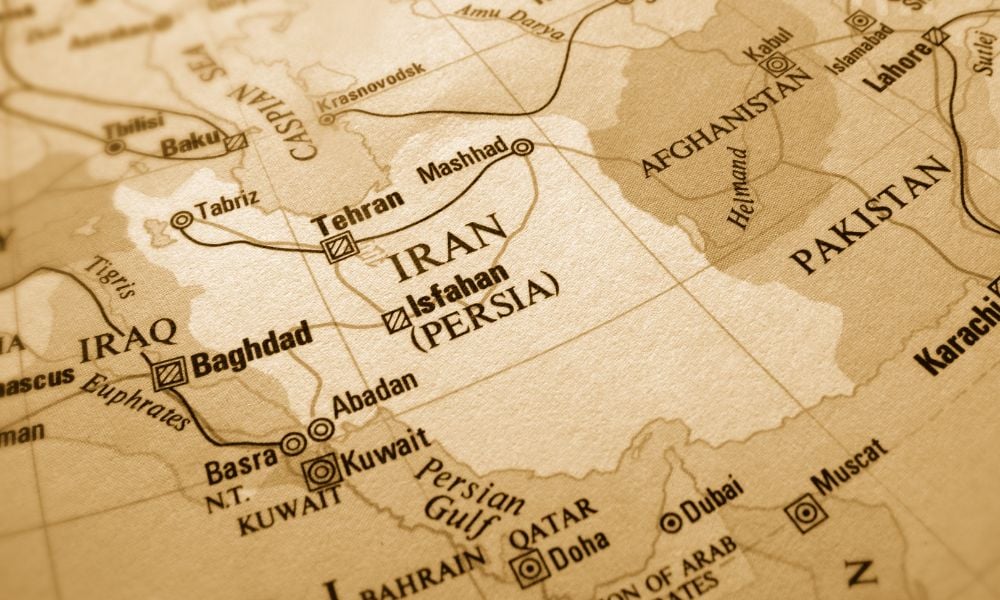
According to Reuters, escalating US and Israeli strikes against Iran have widened regional tensions and paralysed shipping through the Strait of Hormuz for a fifth day, disrupting vital Middle East oil and gas flows.
CNBC reports that shipping via the Strait – a key conduit for nearly a fifth of global energy consumption – has ground to a near‑halt during the war on Iran and Tehran’s retaliation, and that JP Morgan estimates about 329 oil vessels are stuck in the Gulf.
On the production side, Iraq, the second‑largest crude producer in OPEC, has cut output by nearly 1.5m barrels a day because of storage limits and the lack of an export route, officials told Reuters, and those officials said the country may have to shut nearly 3m barrels per day within days if exports do not resume.
CNBC reports that Qatar, the biggest liquefied natural gas producer in the Gulf, has declared force majeure on gas exports, with sources saying a return to normal production volumes may take at least a month.
Even with the war, some indicators still point to plentiful supply.
Reuters said US crude stocks rose by 3.5m barrels in the last week to their highest in three and a half years, versus expectations for a 2.3m‑barrel rise, while US gasoline stocks fell by 1.7m barrels and distillate stockpiles, which include diesel and heating oil, rose by 429,000 barrels.
Dennis Kissler, senior vice‑president of trading at BOK Financial, told Reuters that “global supplies remain ample with near record levels of ‘on the water’ tanker storage. Still, until that oil can find a safe home, look for price volatility to continue.”
Nikos Tzabouras, senior market analyst at Tradu.com, told Reuters that “oil prices remain elevated as markets grapple with the prospect of a prolonged war and lingering supply disruptions.”
He said a four- to five-week campaign, an “effectively shut” Strait of Hormuz and Iran’s push “to regionalise the conflict” could lift crude toward “the US$100 threshold.”
CNBC reports that JP Morgan sees “storage capacity in the Gulf Cooperation Council countries and prevailing energy prices” as limiting how long the US campaign can last, and says most oil fields can restart within days, with full capacity typically restored within two to three weeks, while logistics, rather than geology, remain the main constraint.
On the policy front, Reuters said US President Donald Trump said the US Navy could escort oil tankers through the Strait of Hormuz if required.
He also ordered the US International Development Finance Corporation to back Gulf maritime trade with political risk insurance and financial guarantees.
White House spokeswoman Karoline Leavitt added that the Pentagon and the US Energy Department are working on plans to secure the Strait and that Trump and his advisers are discussing what role the US could have in Iran after the military campaign.
This energy shock is unfolding alongside an unsettled tariff backdrop.
According to Bloomberg, it has been a full year since President Trump imposed 25 percent tariffs on most Canadian exports to the US – a policy that took effect on March 4, 2025 and was quickly softened when Trump signed an order two days later exempting goods shipped under the US–Mexico–Canada Agreement.
The trade war “still rumbles on,” noting that Treasury Secretary Scott Bessent said Trump’s plan to increase a 10 percent global tariff to 15 percent will likely be done this week.
The war in Iran threatens to unleash a wave of inflation at a time when economies worldwide are already under strain, potentially pushing Europe towards the brink of recession and placing the US Federal Reserve in a “tug-of-war” between inflation and a president who wants lower interest rates.
For China, Bloomberg notes that the potential end of discounted Iranian oil would add to pressure from US tariffs and a real estate collapse.
For Canada, Bloomberg reports that economists have projected a rise in oil prices, if it persists, would lift economic growth, and that Canadian crude hit its strongest level in three months on Monday.
The newsletter notes Alberta’s recently announced $9.4bn deficit for the coming fiscal year and suggests that “if crude prices stay here, Premier Danielle Smith need not worry,” while warning that the price of that growth would likely be higher inflation nationally and a more complex interest‑rate picture for the Bank of Canada.
At the consumer level, CTV News reports that drivers across Canada are already feeling the impact, with gas prices jumping in multiple regions as Brent crude briefly rose above US$84 per barrel – more than US$10 higher than when the conflict began – and analysts warning of further increases