
Former Simpsons employees seek share of HBC pension surplus amid retailer's creditor protection fight
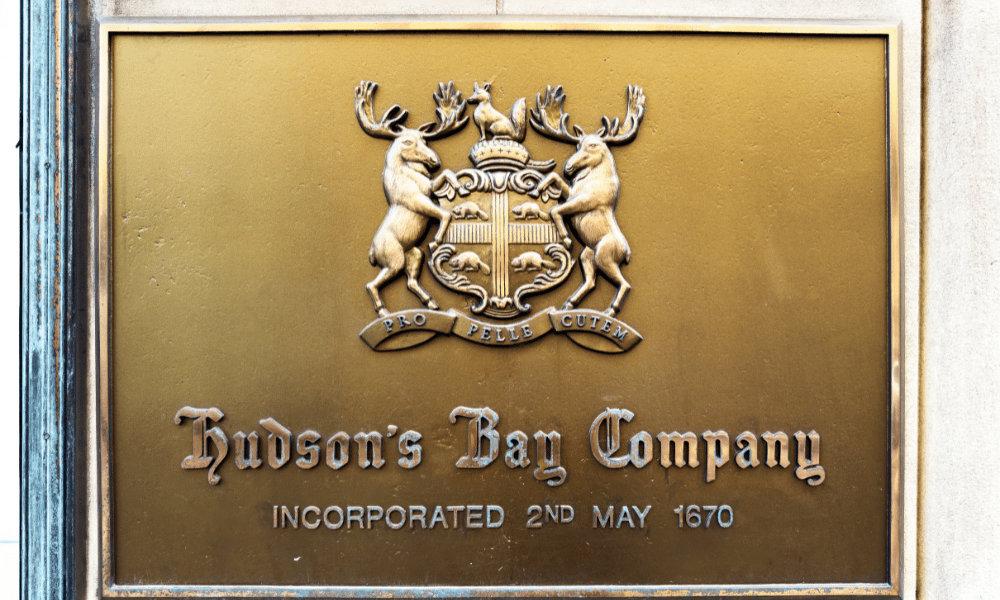
A $167m pension surplus is at the centre of a class-action lawsuit launched by former Hudson’s Bay Company (HBC) employees, raising new questions about entitlement and the fate of retirement assets as one of Canada’s oldest companies unravels.
Koskie Minsky LLP has filed legal action on behalf of workers who participated in the Simpsons pension plan, which HBC inherited after acquiring the rival department store in the 1970s, The Canadian Press reports.
As of January 1, 2024, annual pension statements sent to Simpsons workers reported about $167.03m in a trust fund linked to HBC’s overall plan.
The surplus has become a flashpoint in HBC’s ongoing creditor protection proceedings.
Lawyers have expressed doubt that HBC will be able to repay the $1.1bn it owed creditors when it collapsed, a financial crisis that forced the closure of all stores and ended the jobs of approximately 9,300 people over the summer.
The class-action, filed in June but only recently highlighted in court, names Telus and RBC Investment as respondents.
Telus was appointed as the HBC pension plan administrator by the Financial Services Regulatory Authority of Ontario in April, while RBC holds the plan’s assets.
The court filing provides a rare look at how HBC’s growth strategy shaped its pension obligations and created tensions among staff.
In 1994, HBC added Zellers employees to the Simpsons plan, followed by Kmart staff in 1998.
Between 1994 and 2006, court documents show HBC used about $111m of the Simpsons plan surplus to cover defined contribution pension costs for Zellers and Kmart employees.
This move angered former Simpsons employees, who sued HBC to prevent their surplus from being used for newer members.
The judge in that case ruled that HBC could use the Simpsons pension plan surplus to pay obligations to the broader defined contribution group while the plan remained active.
However, the judge also stated that if the plan were ever wound down, former Simpsons employees would be entitled to any remaining surplus assets.
The Canadian Press reports that HBC appealed several parts of the ruling, including the finding that it would not be entitled to surplus assets.
The Ontario Court of Appeal dismissed HBC’s cross-appeal, and the Supreme Court of Canada declined to hear the case.
Simpsons plan members now assert their entitlement to the surplus based on the judge’s earlier decision.
When the class action was first filed, Koskie Minsky said the Financial Services Regulatory Authority of Ontario reported HBC’s pension plan had 4,976 active members and about $460.07m.
The documents also note that about 17,000 active and inactive members had defined contribution entitlements under the plan.
HBC has declined to comment on the class-action lawsuit.
The case, which had remained largely unnoticed until a judge referenced it during a recent creditor protection hearing, now stands to shape the future for thousands of pension plan members and test the boundaries of surplus entitlement in Canadian pension law.


