Thousands who served in the early 1990s may now find it easier to seek assistance
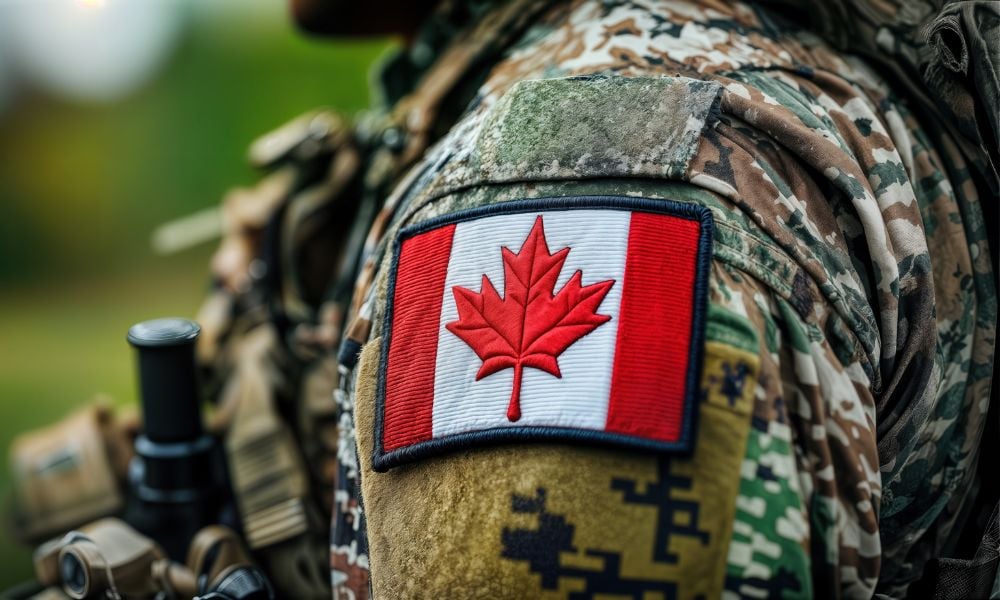
The federal government has formally recognized Gulf War Illness as a diagnosable condition for disability benefit applications, a move veterans’ advocates say could improve access to long-sought support for those who served during the 1990–91 Persian Gulf conflict.
Veterans Affairs Canada announced the change in a news release Thursday, saying the recognition took effect immediately and applies to eligible Canadian veterans who served in the region.
According to Veterans Affairs Canada, the decision follows meetings earlier this month between Veterans Affairs minister Jill McKnight and representatives of the Persian Gulf Veterans of Canada. The illness had previously been assessed under broader clinical terminology, often requiring case-by-case evaluations.
The department said the update reflects an effort to meet the evolving needs of veterans and to deliver benefits in a more timely and compassionate manner. More than 4,000 Canadians served in the Persian Gulf region as part of a 35-nation United Nations coalition, contributing naval, air, and medical forces during the conflict, according to government data.
Gulf War Illness is described by Veterans Affairs Canada as a complex, chronic condition linked to unique environmental and operational exposures during deployment. Common symptoms include chronic fatigue, headaches, joint and muscle pain, memory and concentration issues, sleep disturbances, and gastrointestinal problems.
Streamlined application process
As part of the policy change, Veterans Affairs Canada has introduced a streamlined adjudication process for Persian Gulf veterans. Applications related to Gulf War Illness will now be reviewed by nurse adjudicators, who may render decisions without additional consultations with medical advisers.
The department said this removes an extra layer of review that previously existed, allowing for faster decisions and a more efficient experience for applicants. Veterans with an existing diagnosis, as well as those who believe their symptoms may now qualify, are encouraged to contact the department through their MyVAC account, email, or phone.
“Recognizing Gulf War Illness as a formal diagnosis is more than just a policy change. It represents how we are continuing to meet the needs of the women and men who have proudly served our country in uniform,” said McKnight.
Advocates support the announcement
Veterans’ advocates welcomed the announcement. Harold Davis, president of the Persian Gulf Veterans of Canada, and Michael McGlennon, the organization’s vice-president, said the recognition marks “an important milestone” after decades of advocacy for affected veterans.
They said the change could help many former service members who have struggled to obtain support for chronic health issues they associate with their deployment.
Veterans Affairs Canada said further information on eligibility and applications is available through its website and service channels.