Shrinking appetites, smaller tabs and shifting risks for restaurant-heavy portfolios
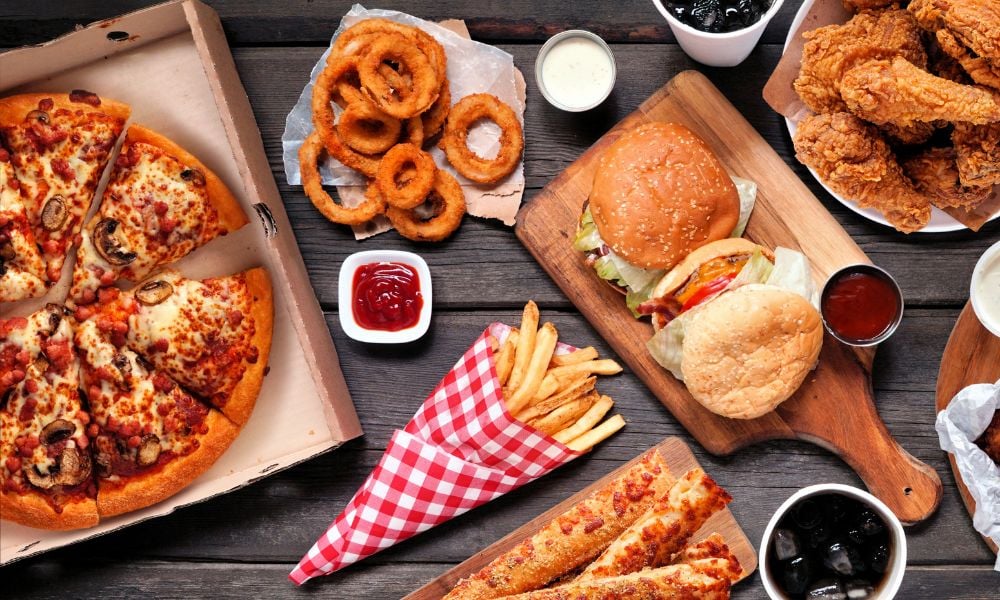
Fast-food chains face a quiet but mounting threat from GLP-1 weight-loss drugs as millions of Canadians shrink their appetites and rethink what counts as a treat, according to The Canadian Press.
Ipsos estimates 1.4 million Canadians now use glucagon-like peptide-1 receptor agonists, or GLP-1s, such as Ozempic, Wegovy and Mounjaro, and suggests that number will triple by 2030 as more people shift to a pill version Eli Lilly has promised.
These drugs, once used mainly for diabetes, slow how quickly the stomach empties, leaving people feeling full for longer than they would without the medication.
For restaurants built on volume and indulgence, the early signs are unsettling.
A December 2024 paper from the Cornell SC Johnson College of Business found that during the first year someone takes a GLP-1, spending at fast-food chains, coffee shops and limited-service restaurants such as takeout counters falls by 8 percent.
Jordan LeBel, a food marketing professor at Concordia University, said of that revenue hit, "It doesn't sound like a big number, but that's hundreds of millions of dollars."
Analysts already see brand-level risks.
At McDonald's, equity firm Redburn Atlantic predicts as many as 28 million fewer customer visits because of GLP-1 use, which it estimates would strip about $674.2m in revenue a year.
William Blair analysts said in February 2024 that they “worry the most about” Shake Shack, which entered the Canadian market last year.
They pointed to its “indulgent menu with a focus on burgers (one of the categories for which consumption declined the most post‑GLP‑1)” and noted that the chain has little track record of successfully pivoting to healthier offerings.
By contrast, they concluded that while Outback Steakhouse, Chipotle and the Cheesecake Factory are also among the chains losing the most visits from GLP-1 users, they have more scope to adjust portion sizes and menu items.
Behind those numbers are pronounced shifts in behaviour.
Since starting GLP-1s, 42 percent of the 500 Canadians surveyed by research firm Kantar in December 2024 said they had begun making healthier choices.
Another 34 percent reported eating less often and 30 percent said they were moving toward smaller quantities.
Those trends cut against the super-sized model that has long underpinned fast-food profitability, where customers barely paused before "supersizing" fries for under a dollar or choosing a burger with an extra patty.
Kantar also found that 31 percent of Canadians on the drugs said their taste in food had changed. In the US, notable numbers of GLP-1 patients are bypassing processed food or opting for items that are lower in sugar or higher in fruits and vegetables.
LeBel said, “All of a sudden, they become more mindful, so instead of going out for burgers and fries once a week, they may replace that with something else, maybe a grilled chicken sandwich instead of a burger, and maybe a salad instead of fries on the side.”
That kind of swap is the best-case scenario for restaurants. Many customers, however, may not exchange one high-margin item for another.
Some may refuse to upsize; skip turning the order into a combo or decline an add-on treat.
Others may stop visiting altogether.
Leigh O'Donnell, head of shopper and category insights at Kantar, said, “In terms of absolute dollars, yes, restaurants are going to feel it.”
GLP-1s also threaten long-standing habits such as the default drive-thru stop for coffee before work or a quick meal after hockey practice.
Some operators have already started to pivot.
US chain Cuba Libre has introduced GLP-1 menu items backed by nutritionists, while Tucci, an Italian restaurant in New York, lets patrons order single meatballs from what the owner jokes is an “Ozempic menu.”
In Canada, it is difficult to isolate GLP-1s from other shifts in eating patterns, but sit-down restaurants are experimenting more with vegetables, fast-food giants are devoting more of their menus to snacks, and protein lattes — which deliver a nutrient GLP-1 users need — have become regular offerings at café chains such as Starbucks and Tim Hortons.
Tims president Axel Schwan told The Canadian Press in late October that the company is aware of GLP-1s but has not seen any impact on the business.
O'Donnell said most companies still have their "head in the sand" about the drugs because they are preoccupied with other health trends, labour issues and rising beef costs.
“It's just another whack,” she said.
Even so, O'Donnell does not see this as an existential blow.
Most people are not on GLP-1s, many who try them will not stay on them, and even long-term users still want occasional treats.
“People are not behaving monastically. They're not like, ‘I will only eat cardboard and water for the rest of my life,’” she said.
She added that in the reality of people’s “crazy lives,” many grab quick‑serve meals and “indulge a little bit,” whether it is a small order of fries or a Tims with extra cream, even if it is not something they do every day.