
Hedging activity rises as the greenback's slide prompts asset managers to adjust currency strategies
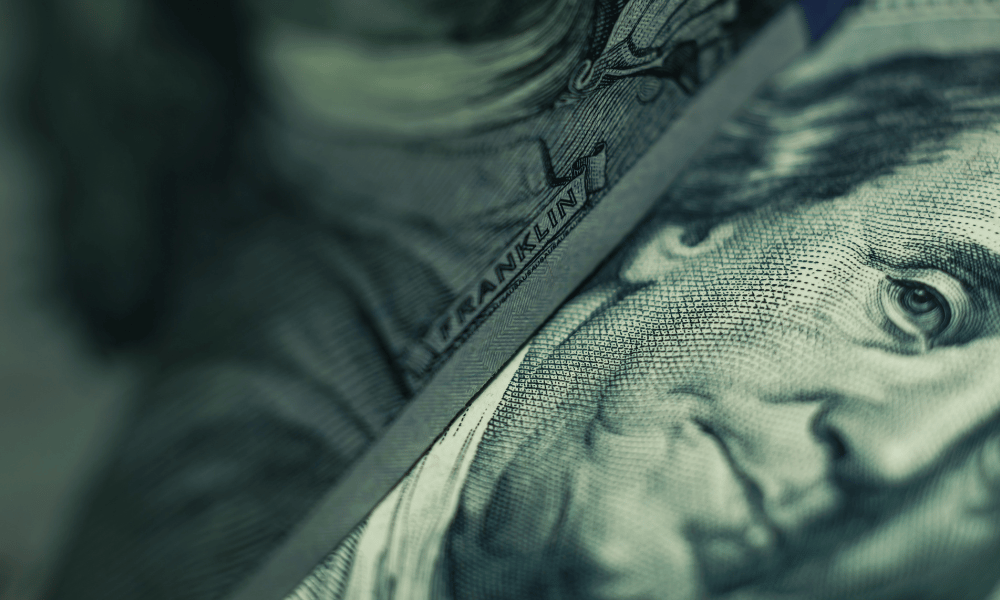
The US dollar’s sharp decline—one of the steepest on record—has sent ripples through global markets, prompting institutional investors and asset managers to reassess their hedging strategies and exposure to American assets, according to Reuters.
Despite a recent pause, many in the market see this as only a temporary reprieve, with the greenback expected to face further downward pressure.
The dollar index fell about 11 percent in the six months through June, and although it has steadied in recent weeks, net short positions remain elevated, as per CFTC data cited by Reuters.
Francesca Fornasari, head of currency solutions at Insight Investment, stated, “The dollar is in the process of declining, and there's more to go,” highlighting the persistent bearish sentiment.
For Canadian institutional investors and pension funds with significant US holdings, the evolving landscape of currency risk is particularly relevant.
Years of US outperformance have left global investors heavily exposed to American assets, and April’s tariff turbulence has already prompted some to trim positions and reassess hedges.
According to Paresh Upadhyaya, director of fixed income and currency strategy at Amundi, “The next big drop in the dollar could be if foreign investors decide they want to now start reducing their US allocation.”
Hedging activity has picked up, and as reported by Reuters, lower US interest rates have made hedging more attractive, with additional Federal Reserve rate cuts likely to further incentivize this trend.
Recent US economic data has reinforced expectations that the Federal Reserve will resume cutting interest rates.
As reported by Reuters, US consumer prices rose more than expected in August, but a spike in initial jobless claims to the highest level in four years has shifted market focus to the labour market.
Josh Jamner, senior investment strategy analyst at ClearBridge Investments, noted, “For the first time in a long time, CPI is being overshadowed on its release day by another data series,” underscoring the Fed’s focus on employment as it weighs further easing.
The Trump administration’s “America First” agenda and efforts to revive US manufacturing are seen as working against a stronger dollar.
Thanos Bardas, managing director at Neuberger Berman, observed, “They still believe in a strong dollar, king dollar, but a little bit weaker than the very elevated level (at the start of the year).”
Shaun Osborne, chief FX strategist at Scotiabank, projected the dollar could fall another 5 percent to 7 percent over the next year or so against major peers.
Despite the dollar’s significant drop, some analysts believe it remains overvalued relative to other currencies, discouraging fresh demand.
“We’re just barely getting to what I would consider neutral levels for the dollar,” said Upadhyaya, adding that the dollar is far from undervalued and that the bear market may still have further to run.
In currency markets, the dollar weakened against the euro, yen, and other major currencies following the latest data releases.
The dollar index dipped 0.3 percent to 97.51, while the euro rose 0.4 percent to US$1.1738, as reported by Reuters.
The Canadian dollar also strengthened modestly, reflecting broader trends in global currency


