
IMF says Iran war has already cut global oil supply by 13%, stoking renewed inflation fears
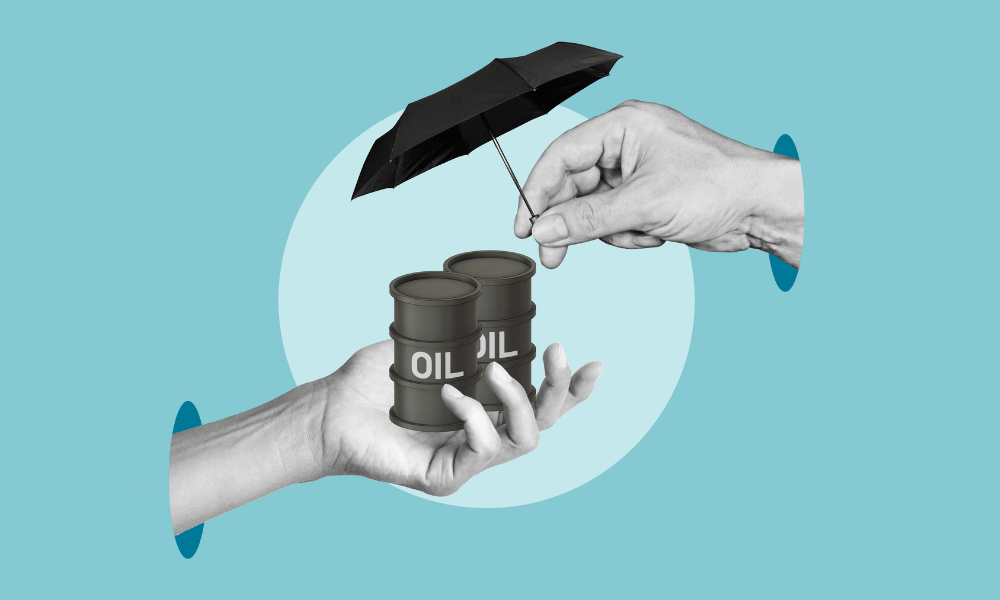
A 13 percent collapse in global oil supply has yanked inflation back to centre stage, forcing forecasters to rethink growth and interest‑rate paths just as the recovery seemed to be firming.
According to Reuters, International Monetary Fund managing director Kristalina Georgieva said the war in Iran has caused “the worst-ever disruption in global energy supply,” after Iran effectively blocked the Strait of Hormuz, which carries about one‑fifth of the world’s oil and gas.
She said the IMF will cut its global growth forecast and raise its inflation outlook in its World Economic Outlook on April 14, instead of making the “small upgrade” to projected global growth of 3.3 percent in 2026 and 3.2 percent in 2027 it had expected before the conflict.
“Instead, all roads now lead to higher prices and slower growth,” Georgieva told Reuters.
She said the war has already shrunk global oil supply by 13 percent, with the impact rippling through oil and gas shipments and into related supply chains such as helium and fertilisers.
Even a rapid end to hostilities would still mean a “relatively small” downward revision to growth and an upward revision to inflation, she said; a protracted war would hit both harder.
Poorer energy‑importing countries look especially exposed.
Georgieva said, as reported by Reuters, that poor, vulnerable countries with no energy reserves will be hardest hit, and that many have little or no fiscal space to help their populations handle war‑driven price increases, raising the risk of social unrest.
She noted that 85 percent of IMF members are energy importers and said some countries have already asked the Fund for help.
She warned that broad energy subsidies are not the answer and urged policymakers to avoid government payments that would further stoke inflation.
The price shock is already visible.
Reuters reported that after the United States and Israel attacked on February 28, Iran effectively closed the Strait of Hormuz, sending crude oil and liquefied natural gas sharply higher.
The Brent benchmark settled near US$110 on Monday, with Middle East cash benchmarks at a substantial premium.
Bloomberg said Saudi Arabia raised the price of its main oil grade to Asia to a record premium and reported that Brent’s prompt spread jumped above US$10 a barrel in backwardation, the widest since the conflict began.
The outlet also reported that Dated Brent surged above US$140, the highest since 2008.
Those moves are feeding directly into inflation prints.
Economists are pencilling in a 1 percent monthly increase in the US consumer price index for March, the sharpest one‑month advance since 2022, after the war pushed gasoline prices up about US$1 a gallon.
The Financial Times reported that economists expect February’s core personal consumption expenditures index, the US Federal Reserve’s preferred gauge, to rise 0.4 percent month‑over‑month, with headline PCE also at 0.4 percent.
It said March CPI is expected to show headline inflation surging 0.9 percent month‑over‑month, up from 0.3 percent in February and driven by petrol, while core CPI edges up to 0.3 percent from 0.2 percent.
Danni Hewson of AJ Bell told the Times that the energy shock has lasted long enough that inflationary effects are now inevitable. The debate, she said, is “the size of the impact.”
The OECD has already re‑marked its forecasts.
Bloomberg reported that in its updated outlook, the organisation now sees average inflation across the G20 at 4 percent this year rather than the 2.8 percent it predicted in December, with an even higher pace in the United States.
Without the conflict, it said it could have revised its 2026 global growth forecast up by 0.3 percentage points; instead it left that figure at 2.9 percent and trimmed its 2027 forecast to 3 percent from 3.1 percent.
The OECD warned of a “significant downside risk” from further disruption to Middle East exports that would fuel inflation, reduce growth and potentially trigger repricing on financial markets.
Bloomberg reported that it now expects policy rates to remain unchanged through 2026 in the United States and United Kingdom and foresees one European Central Bank hike in the second quarter.
It urged governments with high debts to avoid broad‑based subsidies, arguing that support should be timely, tightly targeted, preserve incentives to reduce energy use and have clear expiry dates.
Markets have already started to respond to that message.
According to Reuters, JPMorgan Chase chief executive Jamie Dimon warned in his annual letter that the war in Iran could fuel ongoing shocks to oil and commodity prices and disrupt global supply chains, which in turn could mean more persistent inflation and higher‑than‑expected interest rates.
He said the risk of “stickier inflation and ultimately higher interest rates than markets currently expect” is growing.
He said “war in Iran” comes on top of the war in Ukraine, broader Middle East hostilities and tension with China, and that war‑driven inflation fears have led markets to largely rule out interest rate cuts this year.
Reuters noted that the S&P 500 just posted its worst quarter since 2022, weighed down since late February by the war and the surge in energy prices.
Beyond headline inflation, food security is on the watch list.
Reuters reported that the World Food Programme said in mid‑March that millions of people will face acute hunger if the war continues into June.
Georgieva said the IMF does not yet see a food crisis but warned that one could emerge if fertiliser deliveries are impaired, and said the Fund is working with the World Food Programme and the Food and Agriculture Organization on food security.


