
Spy agency’s stance tests limits of Canada’s no‑penalty pension exit offer
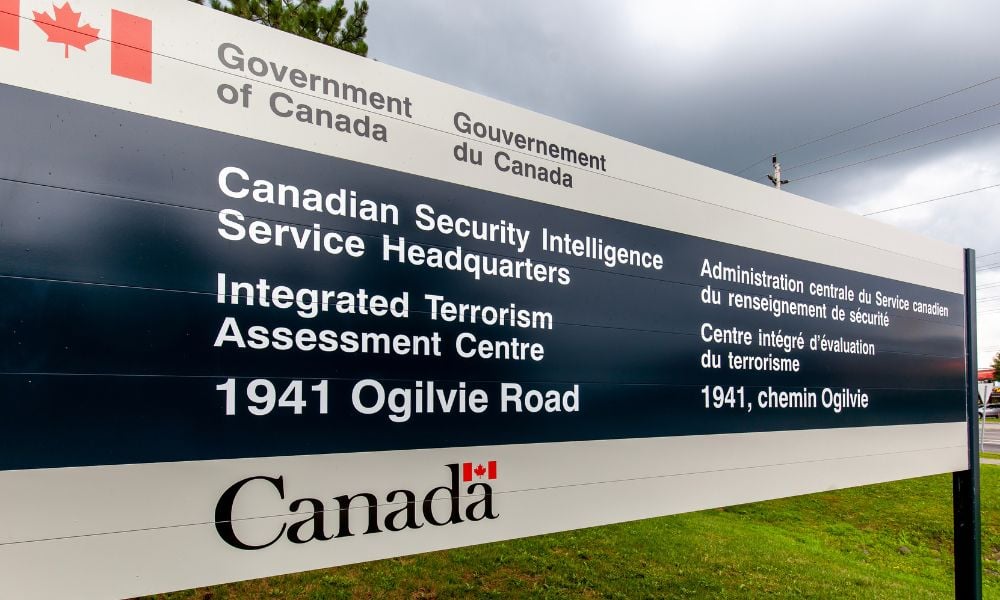
As Ottawa opens a rare, penalty‑free early retirement window for tens of thousands of federal workers, Canada’s spy agency is signalling it will keep most eligible staff on the job.
According to CBC News, the Canadian Security Intelligence Service (CSIS) says it “doesn’t expect it will be able to approve many applications,” citing “continued operational pressures and growth requirements.”
CSIS told the outlet that “the central role that we play in ensuring the safety, security and prosperity of Canada and all Canadians depends on our ability to maintain and grow the full spectrum of our workforce.”
It added, “accordingly, CSIS is not undertaking any workforce adjustments.”
CSIS spokesperson Magali Hébert said in a statement to CBC that the agency remains committed to reviewing each Early Retirement Incentive (ERI) application but has been transparent that it does not have an “organizational requirement to reduce its workforce.”
The statement further noted that “continued operational pressures and growth requirements mean we anticipate not being able to approve many ERI requests.”
CBC News reports that CSIS has struggled with recruitment and retention in recent years and in 2024 launched a new “employee retention and attraction plan” with the goal of reducing turnover.
In that context, the agency’s refusal to pursue workforce reductions through ERI points to a continued need to protect and grow its skilled headcount, even as other departments plan for shrinkage.
The ERI itself is central to the federal strategy to trim the public service.
As per CTV News, the Canada Strong Budget 2025 aims to cut 28,000 federal positions by 2029, in part through a voluntary Early Retirement Incentive (ERI) created by amendments to the Public Service Superannuation Act and Income Tax Regulations.
Under the Public Service Pension Plan, pensions are normally “permanently reduced by five percent for each year” a worker retires early, but the federal government says the ERI lets eligible employees retire “with no reduction for retiring early,” with pensions based on total years of pensionable service to the early retirement date.
Both the outlets report the programme is expected to cost $1.5bn over five years and save about $82m a year, and that roughly 68,000 public servants received notices they may qualify.
Deputy ministers decide on approvals, and unions including the Public Service Alliance of Canada and the Canadian Association of Professional Employees have raised concerns about transparency, pension impacts and “raiding the pension surplus.”


