
Landlords and pension funds halt Liu's retail revival, citing risk and lack of proven track record
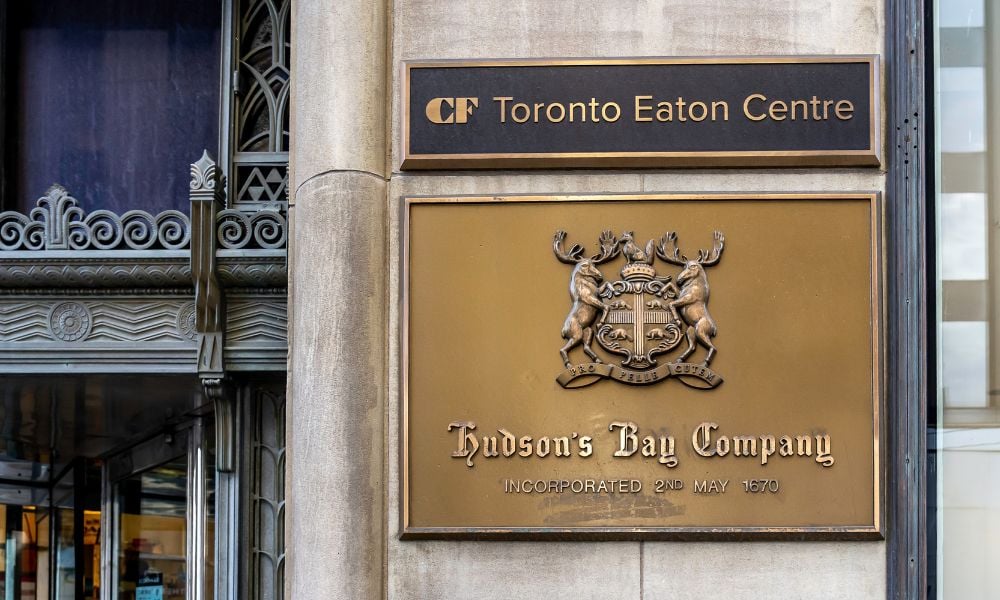
A Canadian bankruptcy court has blocked property mogul Ruby Liu’s high-profile attempt to take over 25 former Hudson’s Bay Company (HBC) leases, a move that drew strong opposition from some of the country’s largest pension funds and commercial landlords, according to Bloomberg.
Justice Peter Osborne ruled that landlords “object to being forced into a long-term commercial relationship with a tenant to whom they never agreed to lease their properties,” and refused to approve the proposed lease assignments.
The decision largely reflected concerns about Liu’s ability to launch a new national department store chain and meet the obligations under the leases, as reported by Bloomberg.
Major institutional investors, including the Ontario Teachers’ Pension Plan, Caisse de dépôt et placement du Québec, and British Columbia Investment Management Corporation, argued in court filings that Liu’s proposal had little chance of success and would likely breach lease terms, as noted by Forbes.
The court found that Liu’s company, Central Walk, failed to meet the financial and operational requirements to assume the leases.
Liu, who chairs Central Walk and owns several major shopping centres in British Columbia, had planned to invest approximately $268m to repurpose the shuttered HBC sites into a new department store chain.
However, landlords cited her lack of a detailed business plan, an inexperienced executive team, and doubts about her ability to renovate and open stores within her proposed timeline, according to CBC News.
While Liu retains control of three approved HBC locations in BC malls she already owns, the broader expansion was halted.
The court’s decision leaves landlords with the challenge of redeveloping large, city-centre spaces previously occupied by HBC, as reported by Forbes.
The ruling also underscores the preference of institutional landlords and pension funds for stable, proven operators over speculative ventures in the current retail environment.


