
New pact lowers tariffs on EVs and agriculture
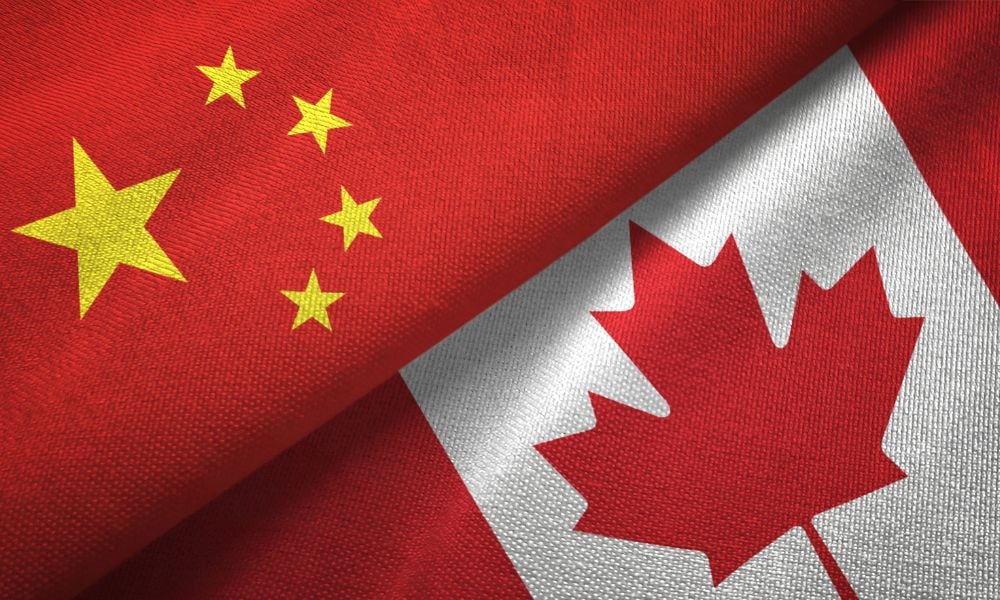
Prime Minister Mark Carney has hailed a "new strategic partnership" with China following his historic state visit to Beijing.
This visit, the first by a Canadian leader in nearly a decade, marks a significant pivot in foreign policy aimed at stabilizing trade relations.
According to a Reuters report, the two nations have agreed to a preliminary deal that significantly reduces tariffs on key commodities.
Canada will allow the import of 49,000 Chinese electric vehicles (EVs) at a preferential tariff rate of 6.1 percent.
In exchange, China has agreed to slash tariffs on Canadian canola seed to approximately 15 percent, down from 84 percent.
Beijing will also remove anti-discrimination tariffs on canola meal, lobsters, crabs, and peas effective March 1.
The "turnaround" in Sino-Canadian ties is designed to diversify Canada's trade dependence amid rising economic pressure from the United States.
Carney told President Xi Jinping that the agreement positions both nations to adapt to a "new world order" and shifting global realities.
For institutional investors, the deal opens potential avenues in the energy sector, with a new focus on liquefied natural gas (LNG) exports.
Carney announced a target to scale up Canadian LNG production to 50 million tonnes annually by 2030, destined primarily for Asian markets.
The agreement also includes commitments to double Canada's energy grid over the next 15 years, creating opportunities for infrastructure capital.
However, the influx of Chinese EVs has raised concerns regarding the impact on domestic manufacturing and labor markets.
Critics within the manufacturing sector worry that lowering barriers could undermine Canada’s growing investments in the battery supply chain.
Despite these concerns, the reduction in trade volatility is expected to provide relief to the agriculture and energy sectors.
Plan sponsors with exposure to these industries should monitor how these tariff reductions translate into sector valuations in the coming quarters.
The strategic pivot reflects a broader effort to de-risk the Canadian economy by expanding non-US export channels.
Investors will be watching closely to see if these "preliminary but landmark" agreements lead to sustained economic cooperation.
This deal signals a pragmatic return to economic diplomacy as Canada navigates a complex geopolitical landscape.


