
Farm, business, and legal voices press Canada to protect stability as CUSMA review looms
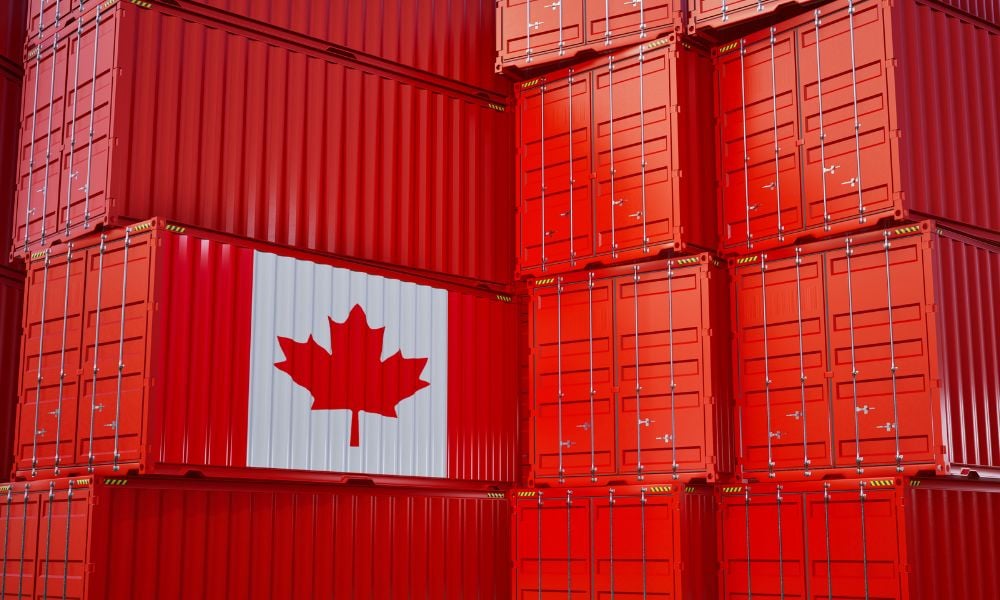
North America’s trade deal that shields much of Canada’s exports from higher US tariffs is heading into a high‑stakes review just as US President Donald Trump again talks about walking away from it.
According to CTV News, the Canada‑United States‑Mexico Agreement (CUSMA) faces a mandatory review this year that forces the three countries to decide by July whether to renew it for another 16 years, withdraw, or opt for an annual review process that could drag talks out for up to a decade.
Canadian officials are preparing for a lengthy negotiation.
At the same time, powerful US interests that rely on cross‑border trade are pushing back against the idea of tearing up the agreement.
CTV News reports that US lawmakers from both parties told a Senate finance committee hearing that CUSMA has protected American jobs, strengthened manufacturing and helped expand the US economy, and warned against letting “the perfect become the enemy of the good.”
A former senior Republican lawmaker, Kevin Brady, said he believes Trump still values the deal, but argued that his “aggressive and tough” style should not stop the three countries from strengthening, preserving and extending it.
On the industry side, the US agriculture lobby has launched a coordinated campaign to defend the agreement.
CBC News reports that some 40 groups representing farmers, ranchers, food producers and processors have formed the Agricultural Coalition for USMCA, the US acronym for CUSMA.
The coalition released an economic analysis showing that Canada and Mexico account for roughly one‑third of the value of US agricultural exports worldwide, and that agricultural and seafood exports to the two countries generated US$149bn in domestic economic activity in 2024, including US$36bn in wages.
The coalition argues that CUSMA’s market access “drives investment” and supports family farms, small businesses and rural communities.
From a Canadian perspective, the legal and strategic risk sits alongside some potential backstops.
International trade lawyer Lawrence Herman said the prospect of a serious CUSMA review “was envisaged from the very start,” and that separate bilateral agreements could still be beneficial if the trilateral deal falls apart, according to BNN Bloomberg.
He told BNN Bloomberg that many provisions in CUSMA could be reused in bilateral agreements with Canada and Mexico.
He also noted that Canada and Mexico already share another framework through the Comprehensive and Progressive Agreement for Trans‑Pacific Partnership (CPTPP), which would maintain an “ongoing arrangement” between the two countries if CUSMA collapsed.
Herman also underlined the negotiating risk.
He said Canada will face “an aggressive partner on the other side” and has to be prepared to set clear red lines and walk away if the other party refuses a mutually satisfactory arrangement.
In his view, “the priority is to ensure that we get out from this volatile, uncertain, unstable relationship.”
At the same time, he pointed to how tightly integrated the Canadian and US economies have become, telling BNN Bloomberg that there are “so many things that tie Canada and the US together” that he cannot see things moving forward “without some kind of agreement.”
For long‑term asset owners, the concentration risk is clear.
Herman said “Canada has been regrettably wedded to the US market,” calling it “a bad business practice to be so dependent on one customer, because that customer can turn ornery, as this customer, the US has done so.”
Yet he also highlighted domestic US constraints on policy shocks, citing Michigan Governor Gretchen Whitmer’s pushback after Trump threatened to delay the opening of the Gordie Howe International Bridge, which she called “a really important part of our economy.”
Meanwhile, the agreement’s protections remain material.
CTV News reports that CUSMA has shielded Canada and Mexico from the worst effects of some of Trump’s tariffs, noting that his increase in duties on Canada to 35 per cent last August does not apply to goods that comply with the pact’s rules.
However, CTV News also points out that separate Section 232 tariffs on steel, aluminium, automobiles, lumber and cabinets continue to hit Canadian industries, and that longstanding irritants such as Canada’s dairy supply management system and regional electricity trade remain on the table as targets for US negotiators.


