
New data link plant-heavy meals to reduced brain shrinkage over 12 years
A specific way of eating may slow key aspects of brain ageing by more than two years, according to a new analysis of the MIND diet in the Framingham Heart Study Offspring cohort and coverage by CTV News.
In the Journal of Neurology, Neurosurgery & Psychiatry, researchers said that each three-point gain in the MIND diet score was associated with a 0.279 cm³ per year slower loss of total grey matter, which they estimated as a 20.1 per cent cut in age-related decline and about 2.5 years less brain ageing over a median 12.3-year follow-up.
The same three‑point difference in adherence translated to 20 percent less shrinkage in gray matter and a 2.5‑year delay in brain aging.
The study team based at the Framingham Heart Study Offspring cohort followed 1,647 middle‑aged and older adults who were free of dementia and stroke at their first MRI, with a median of three brain scans over roughly a decade, as reported in the journal article.
They derived MIND scores from validated food‑frequency questionnaires administered at three exam cycles in the 1990s, then averaged the scores for participants with repeated assessments.
The team used linear mixed models to relate those scores to changes in brain volumes.
They adjusted for age, sex, education, smoking, physical activity, body mass index, depressive symptoms, type 2 diabetes, hypertension, high cholesterol, cardiovascular disease, total energy intake and the timing between diet and imaging.
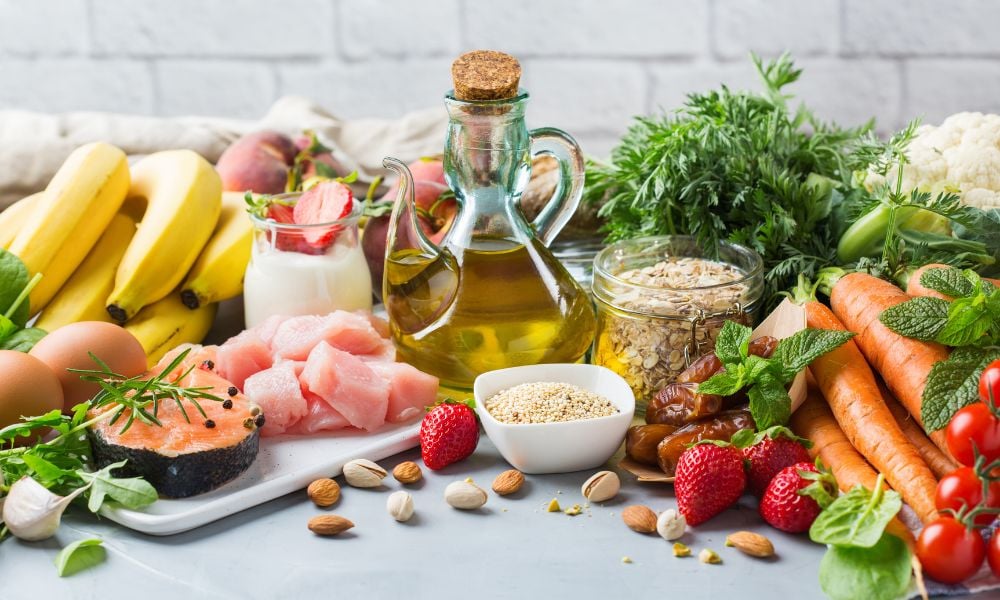
The MIND diet combines features of the Mediterranean and DASH patterns and, according to the paper and CTV News, focuses on berries, beans, leafy green and other vegetables, whole grains, fish, poultry, olive oil and nuts.
It sharply limits red meat, butter and margarine, cheese, pastries and sweets, fast fried foods and excess salt, and allows moderate wine intake. The score ranges from 0 to 15, with higher values indicating closer adherence.
Beyond grey matter, the Framingham analysis linked every three‑point increase in MIND adherence to about one year of delayed brain ageing, as per the journal report.
Each three‑point gain was associated with slower enlargement of the total lateral ventricles by 0.071 cm³ per year and the left lateral ventricle by 0.041 cm³ per year, representing 8.0 per cent and 8.8 per cent attenuation of age‑related change.
CTV News reported that each three‑point increase in MIND diet adherence cut ventricular development by about 8 per cent, reducing brain age by roughly one year.
It said participants who followed the diet more closely “had slower enlargement of the ventricles, the fluid-filled spaces that tend to expand as brain tissue shrinks with age.”
When researchers compared people in the top and bottom thirds of MIND adherence, those with the highest scores had a slower decline in grey matter and a slower rise in total, left and right lateral ventricle volumes, as well as a smaller annual increase in white matter hyperintensity volume, according to the journal tables.
Component analyses pointed to particular foods.
The paper reported that berries were associated with slower ventricular enlargement, while poultry intake related to slower grey matter decline and slower ventricular growth.
CTV News quoted first author Hui Chen saying that “berries are rich in antioxidants and other bioactive compounds, and poultry can provide high-quality protein as part of a balanced diet.”
In contrast, higher intakes of sweets and fried fast foods tracked with faster brain ageing: the journal analysis linked sweets and fast fried foods to greater ventricular expansion and hippocampal atrophy, and more sweets were associated with more decay in the hippocampus.
The Framingham team also observed unexpected signals: higher whole‑grain intake associated with less favourable changes in several brain measures, while cheese intake associated with slower declines in grey matter and hippocampal volumes and less growth in ventricular and white matter hyperintensity volumes.
Chen cautioned that cheese is tightly restricted in the MIND pattern and said, via CTV News, “I would not interpret our findings as evidence that cheese itself protects the brain.”
Yuan told CTV that definitions of “whole grain” in the 1990s may not match today’s standards, so the results should not be read as proof that whole grains harm the brain.
Subgroup analyses in the journal article showed stronger associations between higher MIND scores and smaller increases in lateral ventricle volumes among older participants, as well as differential patterns by physical activity and body mass index.
The authors stressed that the study is observational and cannot prove cause and effect.
CTV News quoted David Katz, who was not involved, saying the analysis could not exclude reverse causality, where people with healthier brains may have eaten better, although he called the pathway from diet to brain health “more plausible.”
The paper also noted potential recall bias from food questionnaires, residual confounding, lack of genetic data such as APOE and limited generalisability beyond a largely Caucasian sample.
Even with those caveats, Walter Willett said in comments reported by CTV that the results add “further support for consuming a Mediterranean-type dietary pattern,” and the Framingham authors concluded that sustained adherence to the MIND diet aligns with slower loss of grey matter and reduced ventricular enlargement over more than a decade.


