
Institutional investors own only about 3% of US single-family rental homes
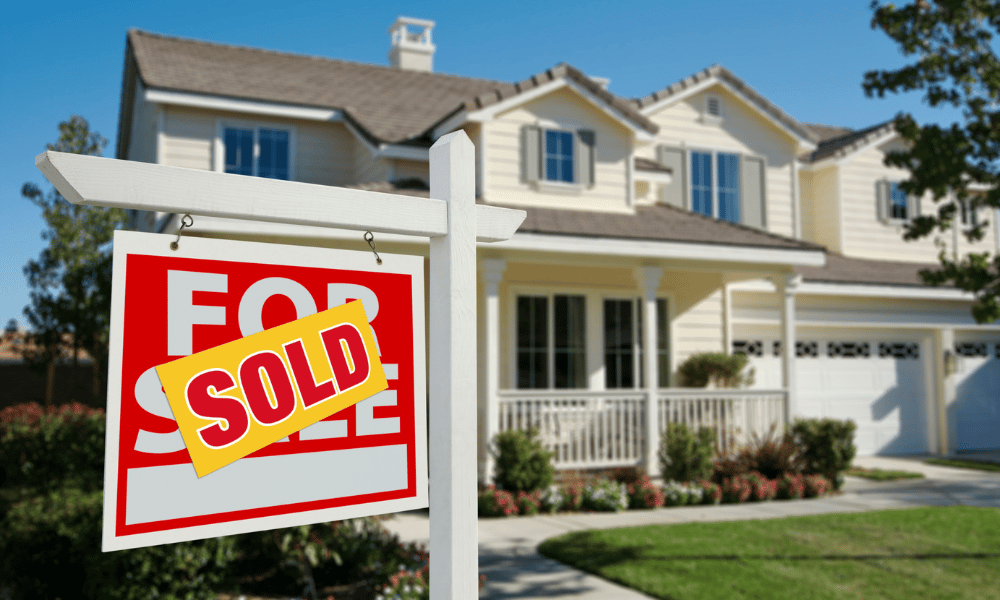
US President Donald Trump’s move to bar large institutional investors from buying US single-family homes aims straight at a niche but politically visible corner of real estate portfolios, rather than the core drivers of housing costs.
Trump said he is “immediately taking steps to ban large institutional investors from buying more single-family homes” and will ask Congress to enshrine the ban in law, adding, “People live in homes, not corporations,” according to CNN.
He framed homeownership as “the pinnacle of the American Dream” that record inflation has pushed out of reach for younger Americans, as per CNBC.
The proposal targets big landlords such as Blackstone, American Homes 4 Rent, Progress Residential and Invitation Homes, which built large single-family rental portfolios after the 2008 foreclosure wave, Reuters.
That announcement hit listed names quickly: American Homes 4 Rent closed down about 4 percent, Blackstone fell roughly 5.6 percent, Invitation Homes dropped around 6 percent and Apollo Global Management lost more than 5 percent.
Yet the ownership footprint of these institutional buyers remains relatively small at the national level.
An analysis by the American Enterprise Institute found that investors with 100 or more properties hold about 1 percent of US single-family housing stock overall, with higher but still minority shares in markets such as Atlanta, Dallas and Houston, reported the Financial Post.
A 2024 US Government Accountability Office study estimated that institutional players owned roughly 450,000 homes, or about 3 percent of all single-family rental homes as of mid‑2022, according to Reuters.
Blackstone has pushed back on the political narrative, saying single-family rentals form only a small slice of its broader business and that it has been a net seller of homes over the past decade.
In a January 2025 research note, Blackstone argued that institutional home purchases have dropped 90 percent since 2022 and blamed price increases mainly on supply shortages.
Several housing analysts question whether a ban would materially improve affordability.
One analyst at TD Cowen said the measure “will not fix housing affordability,” warning it might modestly support single-family purchases by would-be owners while reducing the stock of single-family rentals, according to CNN.
Trump has linked his housing stance to broader cost-of-living pressures and said he will outline further housing and affordability proposals in a speech at the World Economic Forum in Davos in two weeks, as reported by the Financial Post.
At the same time, he has acknowledged that boosting new construction could put downward pressure on existing home values and household net worth, creating a direct trade-off between current owners and first-time buyers.
Underlying strains remain structural.
Since Trump’s first election win, US home prices have risen about 75 percent, more than double the increase in consumer prices tracked by CPI, Reuters said.
Between early 2020 and the third quarter of 2025, home prices climbed nearly 55 percent nationwide, according to a National Association of Home Builders report cited by CNN.
The National Association of Realtors put the national median existing single-family home price at about US$426,800 in the third quarter of 2025, just below a record set earlier that year, CNBC reported, while average 30‑year mortgage rates sit above 6 percent.
Goldman Sachs estimated that the US would need an extra 3m to 4m homes above normal construction levels to ease cost pressures, reported the Financial Post.
That gap, rather than institutional ownership alone, remains central to the affordability story that now frames Trump’s proposed ban.


