
Gold and crypto surge as institutions hedge against inflation and currency risk in shifting markets
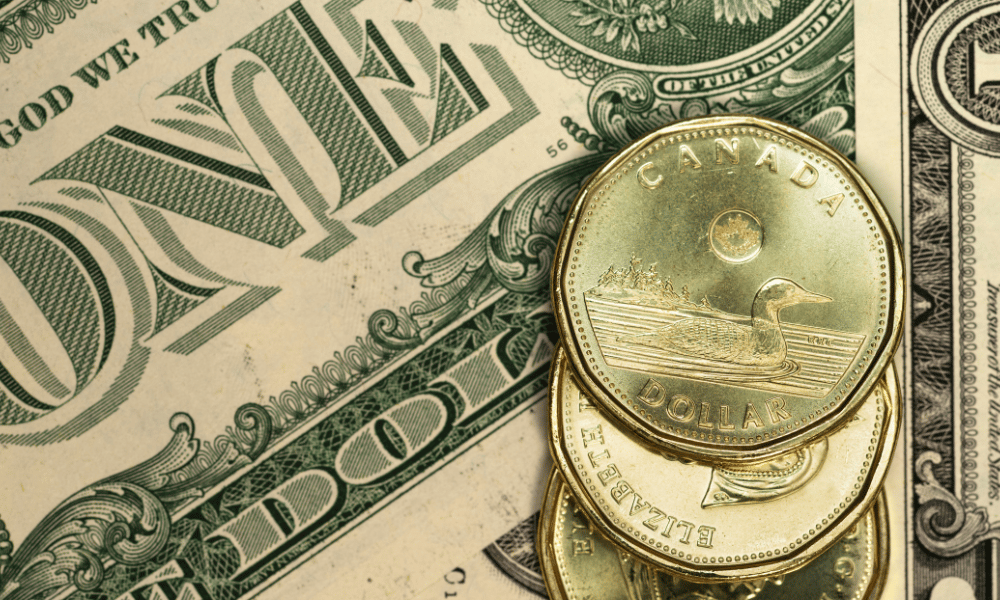
Gold has soared past US$4,000 per ounce and Bitcoin has reached new highs, as investors increasingly seek protection from the risks of mounting government debt and currency instability—a phenomenon now widely referred to as the “debasement trade,” according to Bloomberg.
This shift is not just a response to short-term market volatility but reflects deeper concerns about the long-term value of sovereign debt and fiat currencies.
Many institutional investors are moving away from government bonds, wary that persistent deficits and political reluctance to address debt burdens will erode the real value of these assets over time.
As reported by Bloomberg, speculation is growing that central banks will face mounting political pressure to keep interest rates low, potentially fuelling inflation and further weakening traditional currencies.
The appeal of gold and cryptocurrencies as alternative stores of value has intensified. Gold has outperformed all major US equity indexes year-to-date, and silver has surged to an all-time high, gaining around 66 percent since the start of the year, according to CNBC.
Bitcoin, despite recent volatility, remains up more than 20 percent this year.
Jay Jacobs, BlackRock’s head of equity ETFs, told CNBC that investors are increasingly seeking “assets that live outside of the traditional system,” including gold, silver, and digital currencies.
The so-called debasement trade is rooted in the belief that ongoing government borrowing and money creation will undermine the value of the US dollar and other major currencies.
Christian Magoon, CEO of Amplify ETFs, noted on CNBC’s “ETF Edge” that “this whole debasement trade is benefiting gold.”
Meanwhile, billionaire hedge fund manager Paul Tudor Jones told CNBC he favours a mix of gold, cryptocurrencies, and technology stocks to capitalize on the current rally driven by “fear of missing out.”
Despite these trends, bond markets have not fully embraced the debasement narrative.
As per The Wall Street Journal, long-term inflation expectations remain anchored near central bank targets, and yields on long-dated government bonds have not risen dramatically.
This suggests a split in investor sentiment, with some betting on higher inflation and others maintaining faith in central banks’ ability to manage price stability.
Political developments have added to the uncertainty.
Bloomberg reports that Japan’s yen and bonds have come under pressure as pro-stimulus politicians gain influence, while political turmoil in France and the UK has unsettled European markets.
In the US, President Trump’s fiscal policies and efforts to influence the Federal Reserve have raised questions about the independence of monetary policy and the long-term status of US Treasuries as a global safe haven.
Central banks themselves are responding to these pressures by increasing their gold reserves, as highlighted by Bloomberg.
The freezing of Russian assets after its invasion of Ukraine has also underscored the vulnerability of foreign currency holdings, prompting further diversification into precious metals.
Kathleen Brooks, research director at XTB Ltd., told Bloomberg, “digital assets are becoming a more trusted source of value in the current environment. We do not see this coming to an end any time soon.”


