GLP-1 medications cut mortality in colon cancer and reduce heart events, according to new research
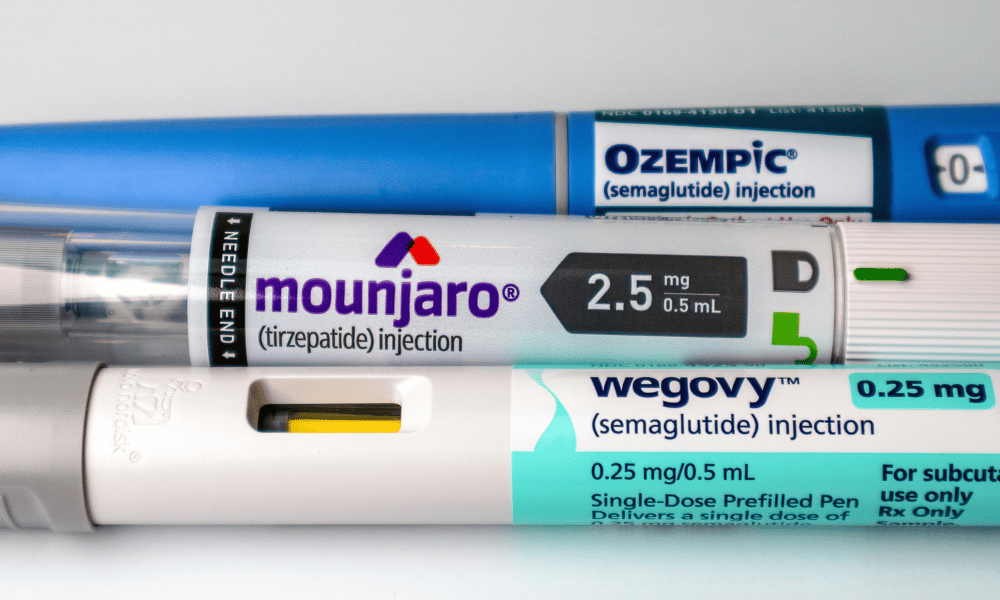
Colon cancer patients taking weight-loss drugs like Ozempic, Wegovy, and Mounjaro are less than half as likely to die within five years as those not on these medications, according to new research from the University of California San Diego cited by The Independent.
In a study of more than 6,800 colon cancer patients, just 15.5 percent of those on GLP-1 receptor agonists died within five years, compared to 37.1 percent of those not taking the drugs, as reported in Cancer Investigation.
The findings are especially notable for those managing chronic conditions and evaluating long-term health strategies.
Lead author Raphael Cuomo noted that lab studies suggest GLP-1 drugs may directly prevent cancer cell growth and trigger cancer cell death.
He emphasized the need for further research to determine whether the survival benefit is a direct effect of the drugs or an indirect result of improved metabolic health.
The benefits of GLP-1 drugs extend beyond oncology.
According to a new analysis published in The Lancet cited by The New York Time, Wegovy lowers the risk of major heart issues such as heart attacks and strokes in adults with cardiovascular disease, but weight loss alone does not fully explain these benefits.
The study, which followed over 17,000 adults, found that a reduction in waist size accounted for only about a third of the cardiovascular benefits, with patients experiencing improvements regardless of the amount of weight lost in the first 20 weeks.
Michael Lincoff of the Cleveland Clinic, an author of the study, stated that the remaining two-thirds of the benefit remain unexplained.
According to The Independent, experts such as Andy Gaya, consultant clinical oncologist at the London Clinic, highlight the anti-inflammatory effects of GLP-1 drugs and their role in blood sugar control, which may create a less favourable environment for tumour growth.
He also pointed to indirect benefits, as patients who lose weight may become more active, further supporting immune health and inflammation reduction.
The growing body of research suggests that GLP-1 drugs are emerging as disease-modifying therapies, with potential applications in treating severe liver disease, sleep apnea, kidney disease, and more, as per recent findings and regulatory approvals.
Yuan Lu of Yale School of Medicine commented that these medications are no longer viewed solely as weight-loss drugs, but as therapies for risk reduction.
As research continues, the challenge will be ensuring access to these therapies for those who stand to benefit most.
Clyde Yancy of Northwestern Medicine emphasized the need to re-examine how these drugs are dispensed, noting the profound implications for public health.