Lab testing found bacteria in an Ottawa vial as peptides stay prescription-only in Canada
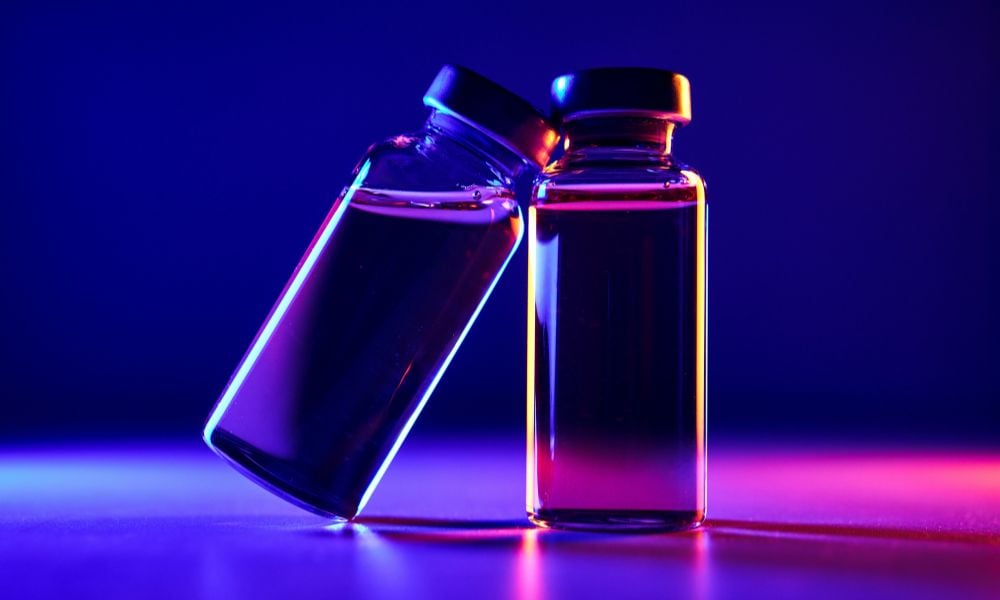
Unauthorized vials labelled as tirzepatide, retatrutide, and tesamorelin were among products Health Canada seized in two enforcement actions six days apart in November.
Injectable peptides are generally regulated as prescription drugs in Canada, the department said in a public advisory dated Thursday, which warned consumers not to inject or consume unauthorized peptide products after lab testing found Sphingomonas aquatilis/melonis bacteria in a vial seized from Sage & Summit Wellness Co. in Ottawa, Ontario.
That advisory names ten unauthorized injectable peptides and one oral capsule, PURE BPC-157, sold in-store and online by the Ottawa business, which agreed to stop both channels as a result of the department’s compliance and enforcement actions.
Reuters described the BPC-157 and TB-500 pairing on the list as the “Wolverine Stack.”
“Injecting contaminated products can cause serious infections, hospitalization, and in severe cases, life-threatening sepsis,” Health Canada said, listing hormonal imbalance, liver or kidney damage, blood clots, and growth of cancerous tumours among the risks.
Some seized vials carried “For Research Purposes Only” labels, which the department said does not make the products legal or exempt from regulatory requirements.
A separate advisory on contaminated peptides, published November 6, covered products seized from Shanghai ERP Peptide Biotechnology Co. Ltd.
Testing identified Acinetobacter seifertii, Acinetobacter nosocomialis, and Propionibacterium (Cutibacterium) acnes.
Health Canada obtained court-issued entry warrants and seized more than 11,400 vials in total from ERP Peptide and two Canadian online retailers, truenorthbiolabs.ca and bcaxiompeptide.com, both of which are no longer active.
ERP Peptide did not immediately respond to a request for comment from CTV News.
Injectable peptides are always classified as drugs under the Food and Drug Regulations, according to Health Canada guidance on peptide regulation and enforcement updated October 23.
Authorized products carry an eight-digit drug identification number (DIN) or natural product number (NPN).
Complaints about the sale and promotion of unauthorized peptides have increased, especially online, the department said, and it is strengthening enforcement through recalls, seizures, court-issued entry warrants, permanent court injunctions, and ministerial orders to cease advertising and sale.
Authorized peptide drugs in Canada include insulin and glucagon-like peptide-1 (GLP-1) receptor agonists such as semaglutide, sold as Ozempic, Rybelsus, and Wegovy, and tirzepatide, sold as Mounjaro and Zepbound.
Health Canada is working with provincial and territorial regulators on peptides being compounded in Canada, and with the Canada Border Services Agency to stop unauthorized shipments at the border.
The US Department of Health and Human Services published an interim enforcement discretion policy in the Federal Register on October 28, temporarily allowing licensed pharmacies and physicians to compound six unapproved peptide ingredients, including BPC-157 and TB-500, Reuters reported.
HHS said the policy does not constitute FDA approval.
Those six are among seven reviewed in July by the US Food and Drug Administration’s Pharmacy Compounding Advisory Committee, which, according to a previous report by Benefits and Pensions Monitor, backed six of them on margins running from 7-4 to 8-6.