
The drug works alongside a reduced-calorie diet and added physical activity
Health Canada has cleared a weight-loss drug to treat a condition that interrupts the breathing of roughly three in ten Canadians, a group that overlaps heavily with obesity and carries elevated risks of heart disease, type 2 diabetes and on-the-job accidents.
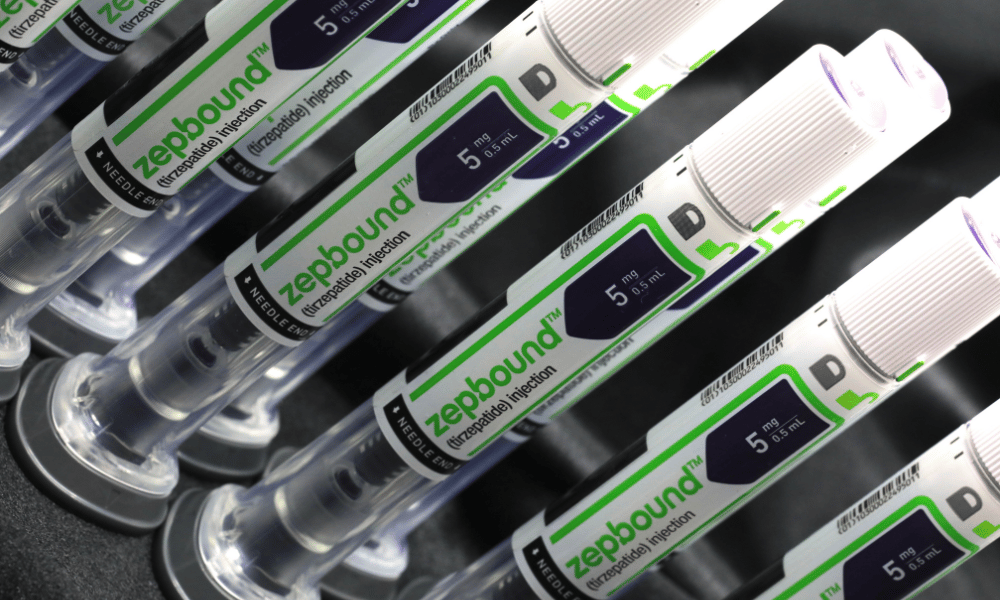
Eli Lilly Canada announced that Health Canada has approved Zepbound (tirzepatide injection) as the first medication in the country indicated for moderate-to-severe obstructive sleep apnea (OSA) in adults living with obesity.
According to the company, the drug is approved for adults with a body mass index of 30 or higher, used alongside a reduced-calorie diet and increased physical activity.
The condition is widespread.
About 3 percent of Canadians have a diagnosis of sleep apnea, while another 26 percent report symptoms and risk factors tied to high risk of having or developing it.
The downstream effects reach well beyond sleep.
Repeated breathing disruptions and drops in blood oxygen can cause excessive daytime sleepiness, impaired concentration and memory loss, and the condition carries associations with hypertension, ischemic heart disease, heart failure, depression and type 2 diabetes.
The company also said it raises the risk of motor vehicle collisions and workplace injuries.
The case for a drug option rests partly on the limits of existing therapy.
Continuous positive airway pressure (CPAP) remains a standard treatment, but adherence is a persistent problem, as reported by BNN Bloomberg.
Paulette Pillersdorf, a dentist and sleep apnea therapist, told CTV News the gap is large.
The approval rests on the SURMOUNT-OSA phase 3 trials, which tested Zepbound at 10 mg or 15 mg over a year, with and without PAP therapy.
Among adults not using PAP therapy, the drug produced 25 fewer breathing disruptions per hour, versus five fewer on placebo; among those on PAP therapy, 29 fewer versus six fewer.
After one year, 42 percent of those taking Zepbound without PAP therapy reached remission or mild, non-symptomatic OSA, against 16 percent on placebo, while the figure rose to 50 percent versus 14 percent among those also using PAP therapy.
Pillersdorf said the results track with the link between weight loss and apnea severity.
In clinical trials, tirzepatide "lowered apnea events by 63 percent," she told CTV News.
She said losing 10 to 15 percent of body weight can cut apnea scores by as much as 50 percent.
The drug works by activating receptors for two gut hormones, GLP-1 and GIP, which reduce appetite and food intake, and lower body weight in turn improves OSA.
Pillersdorf framed it as one tool rather than a replacement.
“Every patient is different, and we try to treat each patient on an individual basis depending on what they need,” she said, noting oral appliances can also be worn with CPAP.
BNN Bloomberg reported that questions about access, cost and insurance coverage remain, and that the long-term impact on outcomes and uptake will become clearer as the drug enters wider use.


