
New data ties weight-loss meds to fewer substance harms and sharper questions on cannabis and diabetes
GLP-1 weight-loss drugs are changing how people use cannabis and other substances – and early data suggest they could affect everything from emergency-room visits to long-term diabetes risk.
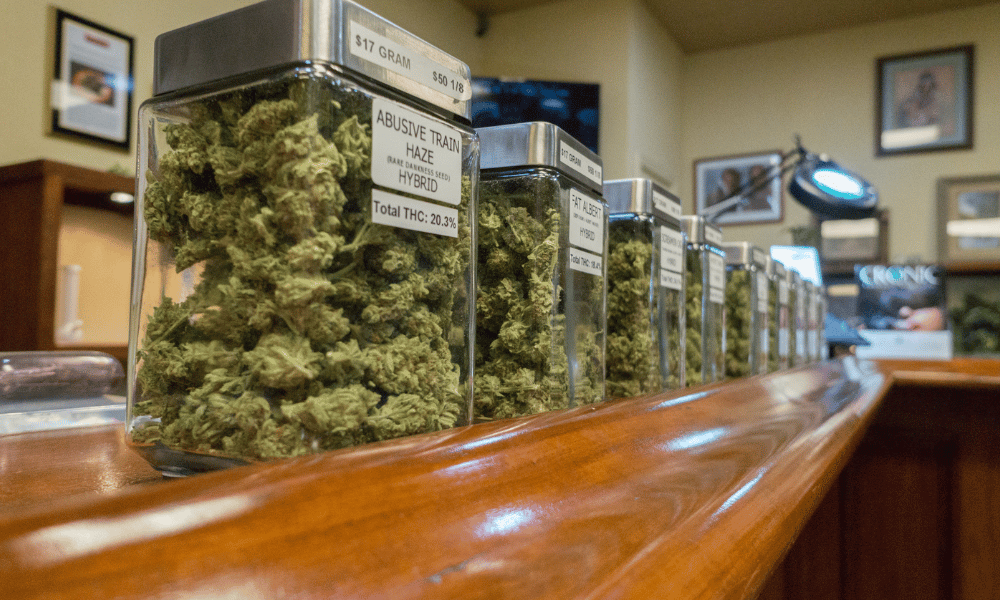
According to Reuters, experts and industry executives say the surging popularity of GLP-1 drugs is quietly reshaping the US$40bn US cannabis market as retailers adjust product offerings to match changing consumer behaviour tied to these therapies.
Users on online forums report diminished cravings and uncertainty about how GLP-1 drugs might affect marijuana’s aftereffects, especially appetite-driven “munchies”, while dispensaries note shifting customer preferences.
Reuters reports that digestion is one immediate interaction point.
GLP-1 therapies slow gastric emptying, which can delay the onset of edible cannabis’ effects and increase the risk that users take extra doses too soon, leading to stronger-than-expected “highs”.
In response, Stoops NYC, a dispensary in New York’s Flatiron district, increasingly recommends lower-dose edibles, vapes or tinctures to customers on GLP-1 medications.
“As (GLP) adoption accelerates, we are exploring ways to provide clearer guidance at the point of sale,” said Wendy Bronfein, co-founder and chief brand officer at Curio Wellness.
Researchers are now testing the GLP-1–cannabis link more directly.
As per Reuters, the National Institute on Drug Abuse is sponsoring a clinical trial this year evaluating tirzepatide, the active ingredient in Eli Lilly’s weight-loss drugs, as a potential treatment for cannabis use disorder.
The agency’s director, Nora Volkow, said retrospective analyses of electronic health records showed that patients with diabetes who took GLP-1 drugs such as semaglutide had significantly better health outcomes related to cannabis use disorder than those on other diabetes treatments.
Another trial by Brigham and Women’s Hospital is expected to start later this year.
At the same time, GLP-1 drugs are drawing attention for broader substance use.
NBC News reports that evidence continues to mount that these medications may help people cut back on cigarettes, drinking and opioid use, with many patients saying they no longer feel the urge to drink alcohol or use drugs while on a GLP-1.
“An accumulating body of studies are showing positive potential for using GLP-1s for substance use,” said Christian Hendershot, director of clinical research at the USC Institute for Addiction Science in Los Angeles.
A new study published in The BMJ and described by NBC News analysed records from more than 600,000 people in a US Department of Veterans Affairs database.
All had Type 2 diabetes and took either a GLP-1 or a sodium-glucose cotransporter-2 inhibitor.
Using those data, researchers simulated seven clinical trials to assess how GLP-1 drugs appeared to affect existing substance use disorders and the development of new ones across alcohol, cannabis, cocaine, nicotine and opioids.
NBC News reports that among people with pre-existing substance use disorders, those on GLP-1 drugs had fewer emergency-room visits, hospitalizations and deaths related to substance use.
Ziyad Al-Aly, who led the study, told the outlet that consistent results across alcohol, opioids and stimulants “really elevates the notion that these medications are really acting on the root causes of all of these addictions”.
The same outlet also reports that researchers suspect GLP-1 drugs act on reward signalling in the brain.
In obesity, patients describe a “quieting of food noise”, and Al-Aly said something similar may be happening with the preoccupation with needing a substance.
Hendershot told the outlet that many clinical trials are already under way and that substance use disorders are complex, with no single medication likely to work for everyone.
Against that backdrop, new data are raising flags about cannabis and metabolic health.
Healthline reports that a large study of more than 4 million adults found people who use cannabis had nearly four times the risk of developing Type 2 diabetes compared with those who do not.
Researchers at Boston Medical Center reviewed electronic health records from 54 healthcare organisations across the United States and Europe, focusing on adults aged 18 to 50 between 2010 and 2018, and identified nearly 97,000 people with cannabis-related diagnoses.
According to Healthline, they matched these individuals with more than 4 million people with no history of substance use or major chronic health conditions, controlled for key diabetes risk factors and followed everyone for five years to see who developed Type 2 diabetes.
The article reports that the findings, presented at the Annual Meeting of the European Association for the Study of Diabetes, have not yet appeared in a peer-reviewed journal.


