
Climate events are now a workplace health issue, warns Marie-Chantal Côté
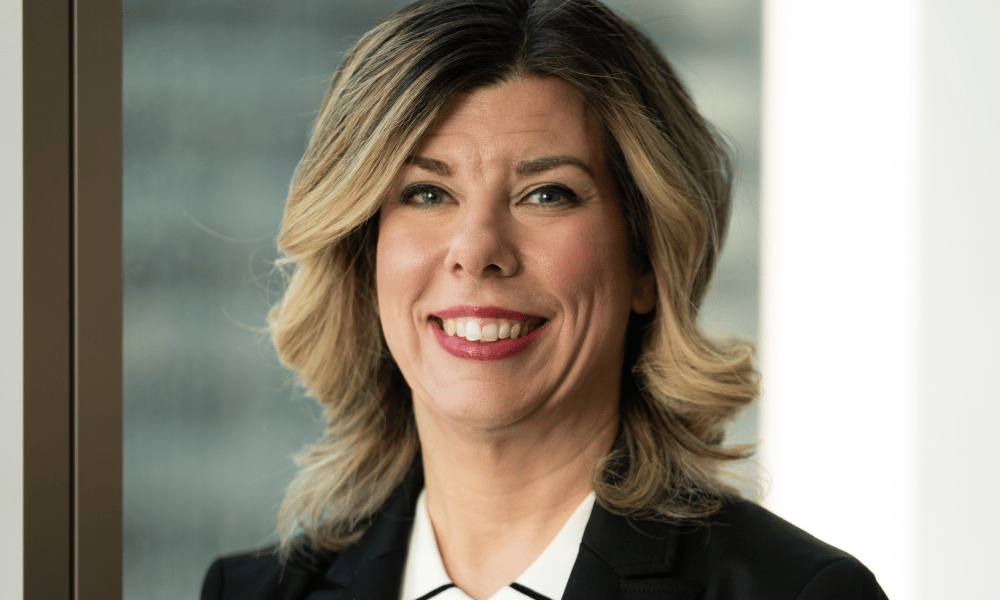
Wildfires, heat waves, severe storms. These extreme weather events have not only become "a public health crisis" but they're also becoming more frequent across Canada each year, while the toll on employee health - both mental and physical - is getting harder for employers to ignore.
Marie-Chantal Côté believes the data is starting to catch up with what many people have already felt firsthand. After all, according to Sun Life’s recent data, nearly half of Canadian employees report mental health impacts from extreme weather events, and two-thirds cite physical health effects.
“Our hypothesis was that there was an impact between some of the climate and extreme weather scenarios and the health of employees and what we found is, indeed sixty per cent said it affected their work,” said Côté, senior vice president at Sun Life Health, of those reporting mental health challenges. “And if you look at those having a physical health impact, 54 per cent said it impacted their work.”
Côté isn’t surprised that extreme weather events are taking a toll on workers' mental health, notably as anxiety and worry were the most reported issues, often tied to immediate concerns about health or safety during climate-related events. Stress, sleep problems, fatigue, burnout, and mood changes were also frequently cited. She explained that the rise in “climate anxiety” is real and growing and that it can manifest in various ways, from intrusive thoughts to full-blown anxiety or depression.
She stressed these effects go far beyond momentary discomfort. For workers juggling family responsibilities, physical ailments, and emotional strain, the domino effect can be serious.
“It impacts all areas of your life in terms of just being able to perform your day-to-day duties,” she said. “Especially from a mental health perspective, it comes with a lot of stress and anxiety.”
According to Côté, disruptions caused by events like flooding or poor air quality extend far beyond the immediate physical environment. People are forced to deal with damaged homes, insurance claims, and closed daycares, all of which interfere with daily responsibilities and work productivity, especially when compounded by chronic health conditions or added stress.
Additionally, she believes these impacts aren't experienced equally as certain groups are more vulnerable, particularly women, outdoor workers, and Gen Z. Côté suggests caregiving responsibilities may explain why women report greater disruption.
“If their care is closed, then often women mothers have to figure that out,” she said, adding that outdoor workers are naturally more exposed, and younger employees, particularly Gen Z, are reporting higher levels of anxiety and physical symptoms related to climate issues.
When it comes to the range of climate-related events affecting employee health, Côté suggests that many of these stressors are closely linked. The top three culprits, based on Sun Life’s research, are extreme cold, air quality issues, and heat waves, she said.
But these aren’t isolated threats. Events like power outages, severe storms, forest fires, and flooding often overlap or lead to secondary effects. For example, forest fires can trigger poor air quality, while extreme temperatures can knock out power grids.
She also acknowledged that geography doesn’t guarantee protection. A weather event happening hundreds of miles away can still impact people in other regions — particularly when it comes to smoke and air pollution.
“You can be living somewhere in the country and be experiencing the impact of something occurring literally across the country,” she said, noting her own personal experience living in Montreal, how wildfire smoke disrupted even routine outdoor activities like running.
“A few times this summer, I’ve had to wear a mask while running to help me breathe properly,” she said.
While prevention is the ideal approach when it comes to employee health and climate-related stress, Côté stressed employers should also focus on acting early when issues arise. While communication can play an integral role, she pointed to Employee Assistance Programs (EAPs) as well as mental health supports embedded in extended health care (EHC) plans, which she underscored are still underutilized.
These programs offer more than just mental health support as they can also help employees navigate financial stress, caregiving challenges, or legal concerns.
She also pointed to virtual care services as a key tool during emergencies. When physical access to healthcare is interrupted due to flooding, fires, or facility closures, virtual platforms allow employees to continue receiving care, both mental and physical. She suggests employers should consistently remind their teams of these available benefits, especially during a crisis.
According to Côté, Sun Life approaches climate-related health challenges from two perspectives: as both an insurer and an employer. Internally, the company ensures its own staff are supported during extreme weather events, including through logistical help and access to available benefits. But as an insurer, the broader responsibility lies in raising awareness and equipping client organizations to do the same.
Côté believes many employers still need help recognizing how closely these issues are connected. To that end, Sun Life is offering practical tools, such as its respiratory care program, and is partnering with external organizations to expand its impact.
One example is their collaboration with the Canadian Lung Association on their "Breathe Better, Stay Strong” initiative. The goal, she said, is not just to provide services, but to “help people see what’s available to them based on their unique needs.”
Côté acknowledged that for many Canadian businesses, particularly for SMEs, the day-to-day demands are already high, with several employers wearing multiple hats. She encourages companies to stay engaged with the evolving needs of their workforce, especially when it comes to health.
Still, Côté asserted that while many workplaces are now comfortable addressing physical health, there’s still work to be done on the mental health front.
That means recognizing that employees’ physical and mental health challenges shift over time as do the available solutions. What ultimately matters for Côté is maintaining open lines of communication and being proactive in sharing resources.
“There’s still room to grow collectively around talking about mental health and programs available,” she said, emphasizing part of that involves challenging stigma and reinforcing the message that “mental health is health, and it’s okay.”


