Beneva's Valerie Fernandez explains why 'doing nothing' is no longer an acceptable strategy under Quebec's new mental health law
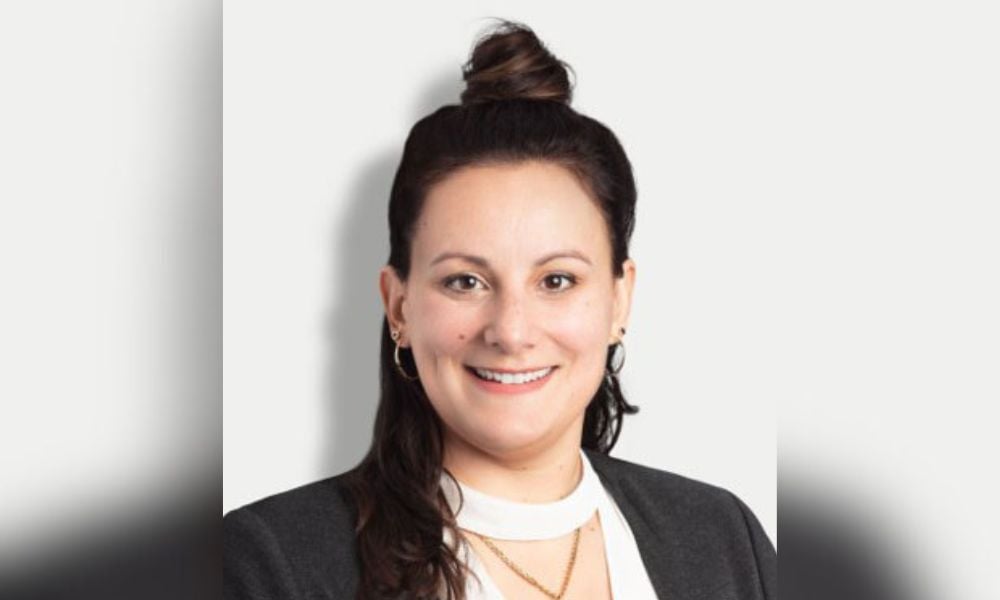
It's official. Quebec’s Bill 27 now mandates that employers incorporate psychosocial risk prevention into their workplace health and safety practices. In response, Quebec-based insurer Beneva has launched several initiatives aimed at helping organizations strengthen employee engagement, retention, and overall performance.
As Valerie Fernandez explained, the new legal obligation requires employers in the province to identify, analyze, and address psychosocial risks in the workplace. That’s a serious push toward accountability.
“Psychosocial risks are not new in the workplace. We've been hearing a lot more of them because of the increase of stress in the workplace, the increase of mental health issues, mainly since COVID but they've always been present,” noted Fernandez, senior advisor in workplace health at Beneva. “We are just being more conscious and aware of how those risks impact the psychological health of employees.”
Fernandez didn’t mince words when addressing one of the biggest mistakes employers make around psychosocial risks: doing nothing. “I think that one thing that’s not working is just ignoring the situation,” she said. “Thinking that time is going to heal everything,” she added, is a flawed approach.
According to Fernandez, one of the most effective ways to uncover these risks is through employee input. Organizations can choose to use existing internal surveys or implement ones specifically focused on psychosocial risks. She also noted that direct conversations with staff offer valuable insights.
She explained that psychosocial risks can impact employees’ mental health in different ways, some directly, others more indirectly and that three specific risks, when consistently present, are known to significantly elevate stress levels: psychological harm (like stress and depression), poor physical health outcomes (such as cardiovascular disease), and negative impacts on organizational performance (including increased absenteeism and turnover).
Beyond those, other factors still play a role in shaping psychological well-being, even if their impact isn’t immediate.
“It's not a direct impact as the risks, but they are still present and they can affect the psychological health of the individual,” she said.
She drew a distinction between different types of workplaces, pointing out that some environments carry a higher risk of exposure to traumatic events.
“A police officer, a first responder, a doctor, a surgeon… they can be exposed on a day-to-day basis to traumatic events, which would have a significant impact on their psychological health,” Fernandez noted.
Fernandez pointed out that certain groups of workers are more susceptible to psychosocial risks, and employers need to recognize these vulnerabilities to respond appropriately, stressing the importance of tailoring approaches based on employees’ specific circumstances.
She highlighted several at-risk groups, including SME managers whose mental health has been “very, very fragile since the pandemic,” as well as younger and junior employees. Many of them entered the workforce during the pandemic and are still navigating a rapidly changing environment.
Disadvantaged and minority workers also face heightened challenges, particularly around job insecurity - a major psychosocial risk.
“That job insecurity is very present,” Fernandez noted, especially for recent immigrants navigating shifting legal and employment landscapes. That’s why she urged employers to engage these groups with “a more open, listening mode,” and adapt strategies based on the particular risk factors at play within their organizations.
When it comes to addressing psychosocial risks and supporting mental well-being, Fernandez believes there’s no single solution that fits all workplaces, cautioning against the assumption that hiring a full-time psychologist would solve every issue.
Instead, she called for flexibility and innovation in designing support systems that reflect the diverse needs of employees. A new hire just entering the workforce and a long-time manager approaching retirement are likely to require very different kinds of support.
But even with the right resources in place, Fernandez warned that the biggest hurdle is often communication. Many organizations already have support systems available, especially since the pandemic, but employees may not know how or when to access them.
“The challenge now is to know about them. How to reach what we need and when we need it,” she said. “We need to be creative in terms of finding support measures to meet the needs of the employees,” she said.
Fernandez emphasized that addressing psychosocial risks isn’t just a moral or legal responsibility, it can also benefit employers directly. By acting, organizations can turn harmful risk factors into “protective factors,” she said.
Using recognition as an example, she noted that if an employee feels undervalued, it can negatively affect their well-being. But if that need is acknowledged and met by management, it can shift to a source of support and “protective factor for psychological health.”
“Little steps in the right direction are going to be better than just doing nothing,” she said, adding that means reaching out for external expertise when needed, rather than trying to handle everything internally.
While many companies lack the in-house capacity to deal with these issues, she encouraged them to explore tools and resources, particularly those now available in Quebec under the new legal obligations.
Ultimately, Fernandez underscored that tackling psychosocial risks in the workplace isn't the job of any one group; it requires collective effort.
“It’s not up to only the organization, it’s not up to only the managers, it’s not up to only the employees,” she said, urging a collaborative approach, where everyone is aligned and working toward a shared goal.
“We need to train our managers to be comfortable in having those difficult conversations,” she said, while also stressing the importance of helping workers access the support they need. “It’s a shared responsibility and it’s not all on the shoulders of one specific party.”