
Digital transformation success often stems from human element: Gallagher
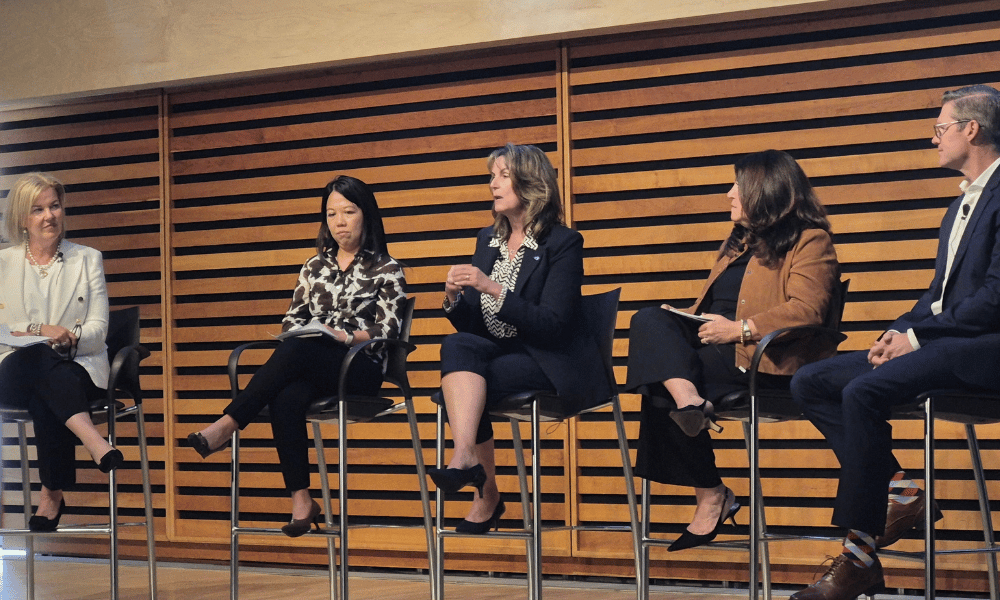
As employers and plan sponsors race to keep up with AI and other data-driven tools, HR and benefits leaders from Gallagher and Sleep Country Canada recently challenged the narrative that artificial intelligence and data will eclipse the human element in the workplace.
Instead, they argue the future of work belongs to those who use technology to deepen connection in all areas of the workplace.
Lynn Feldman, chief people officer at Sleep Country Canada, reflected on the sweeping digital overhaul underway at the organization, noting that the company’s recent adoption of an AI-enabled HCM platform marked a dramatic shift from its outdated systems.
“We have lots of data at our fingertips. Right now, we're able to map our organization in a variety of different ways, look at our demographics, look at high potential talent and pull it all in a really succinct and quick fashion. But the learning for all of us, because we don't always get it right just based on the numbers, is how do we apply the human lens to the data?” said Feldman at Gallagher’s national trends tour on Wednesday.
She pointed to one example where demographic data showed an aging sales workforce, which might typically raise alarms about succession risk. But with experience came value.
“Sometimes the most seasoned and talented people are later stage career, work on a commission basis and have a really high degree of knowledge that we can’t necessarily replicate,” she noted.
Instead of defaulting to hiring younger talent, Sleep Country chose to redeploy experienced employees in more strategic ways.
Lynne Gallacher, senior vice president of client partnerships at Gallagher acknowledged how blending data with empathy helped drive meaningful change during a major digital transformation. Working with a global consumer goods client, her team supported the finance department as it shifted from transactional work to a more strategic advisory role.
While the move was powered by new technology, Gallacher underscored that success came from addressing the human side of the shift. Rather than focus only on systems and processes, her team reshaped the project narrative to engage employees directly.
“We actually created a very employee-centric vision that really connected and engaged with employees,” she said. “We leaned right into the elephant in the room,” Gallacher noted, allowing employees to feel heard and involved. That also meant acknowledging the fear and anxiety the changes would bring, instead of sidestepping it.
Still, she doesn’t dispute the persistent anxiety many employees feel toward artificial intelligence, pointing out that despite the progress organizations have made, noting “there’s still 40 per cent of employees that are reluctant, concerned or fearful.”
She framed AI adoption as a continuation of the organizational change curve, requiring the same thoughtful approach leaders would apply to any major transformation.
Clear communication is essential
Gallacher stressed the importance of clear communication in reducing fear, especially when it comes to defining AI’s role in the workplace. Referring to her earlier client example, she said they were careful to explain that the technology wasn't replacing jobs.
“This is about augmenting it and elevating it so that you can bring even more value to the business,” she said.
For Susan Tang, vice president, pay equity lead at Gallagher, communication isn’t an occasional task or check-in. It’s a continuous, strategic function across every area of HR.
“Communication is very key on almost every element in your HR portfolio, whether it's compensation, benefits, pension,” she said, pointing out that while organizations often spend significant time designing or updating plans, they frequently neglect the follow-through.
She added that the implementation phase is where things can fall apart if leaders and employees aren’t properly informed.
“We forget that after that there is this whole piece of work which is communication,” said Tang, emphasizing that clarity around what’s being offered and why it matters is essential for engagement and trust.
Meanwhile, the key challenge isn’t the data itself, but how it's shared, she said.
“Organizations need to educate the leaders, particularly the managers, how to communicate this information,” she added.
Meanwhile, Gallacher stressed that successful change - whether it’s rolling out new benefits, adopting AI, or implementing new technology - starts with mindset, which precedes behaviour or change in action.
She cautioned that while leaders may be enthusiastic about innovation, employees often aren’t on the same page at first. It’s the responsibility of HR and leadership to guide them through that discomfort intentionally and patiently.
Before launching tools or systems, Gallacher asserted that leaders must focus on building a culture that supports experimentation and learning.
The future is human
Ultimately, despite rapid technological advancement, “the future is human,” said Feldman, while she acknowledged the increasing pace and pressure in today’s work environment, comparing it to being on a treadmill that “somebody keeps ratcheting the speed up and the incline.”
Consequently, she urged plan sponsors and HR benefits leaders to overcommunicate, and factor change management into every business decision. She believes building trust and maintaining strong relationships are essential to helping employees navigate constant disruption.
“We're in a really great time in our world where we have more data than we've ever had that's easily accessible. If we can take that data and then marry it with the consideration for the people behind it, continue to communicate, continue to consider the impact of change and building trust with them, I'm really excited about what's to come,” she added.


