
Poll shows 82% see skills gaps as candidates admit far less résumé truth-stretching
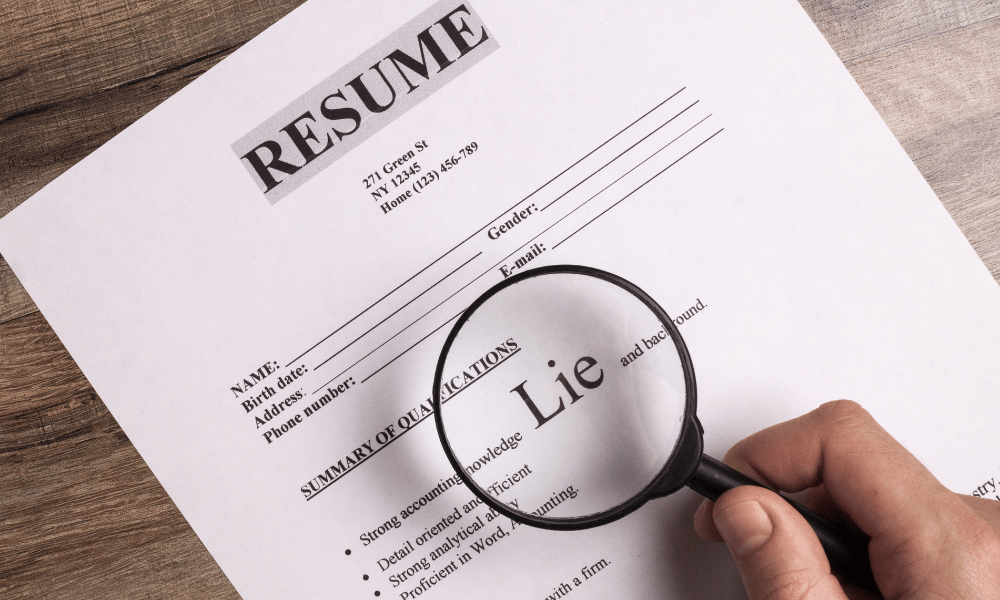
Canadian employers say they can spot a fake résumé “a mile away” — and many blame AI for making it easier to lie.
Most hiring managers in Canada report that candidates’ résumés don’t match their real-world skills at least sometimes (82 percent), with almost one in three saying it happens all the time or often (29 percent).
At the same time, only 22 percent of job seekers admit to listing skills they don’t actually have, exposing a trust gap that complicates hiring decisions and raises risk for businesses.
That risk now extends to the tools candidates use.
A large majority of hiring managers (84 percent) believe AI makes it too easy to embellish résumés, and 35 percent strongly agree it is becoming a serious hiring risk.
With AI at every applicant’s fingertips, companies are increasingly wary of polished applications that crumble under scrutiny.
Some employers describe direct financial and operational fallout.
One candidate claimed to be bilingual in English and French but was not, and the company lost sales as a result.
Another applicant for a VP role listed 10 years of experience without being old enough to have worked that long.
In another case, a job seeker said she had years of experience with children, but on her first day she began yelling at toddlers and did not notice when kids left the room unattended.
Hiring managers also report catching outright fabrication.
One candidate said he graduated from a prestigious university at the top of his class, but when a hiring manager who attended the same institution questioned him, he admitted he had never been a student there.
Job seekers themselves admit to “résumé creativity”.
They report listing advanced computer programming skills they do not have, changing past job titles to sound more attractive, claiming they left on good terms when they did not, and inflating how long they held a role.
Bob Funk Jr, CEO, president and chair of Express Employment International, said job seekers “don’t need a perfect résumé; [they] need a truthful one.”
He said those who exaggerate “set themselves up for stress, failure and lost opportunities,” while applicants who are “transparent about what they know and eager to learn what they don’t” stand out to employers, adding that “integrity is still a competitive advantage.”


