
Equitable’s Don Bisch explains how a photo of lunch can go further than a wellness seminar
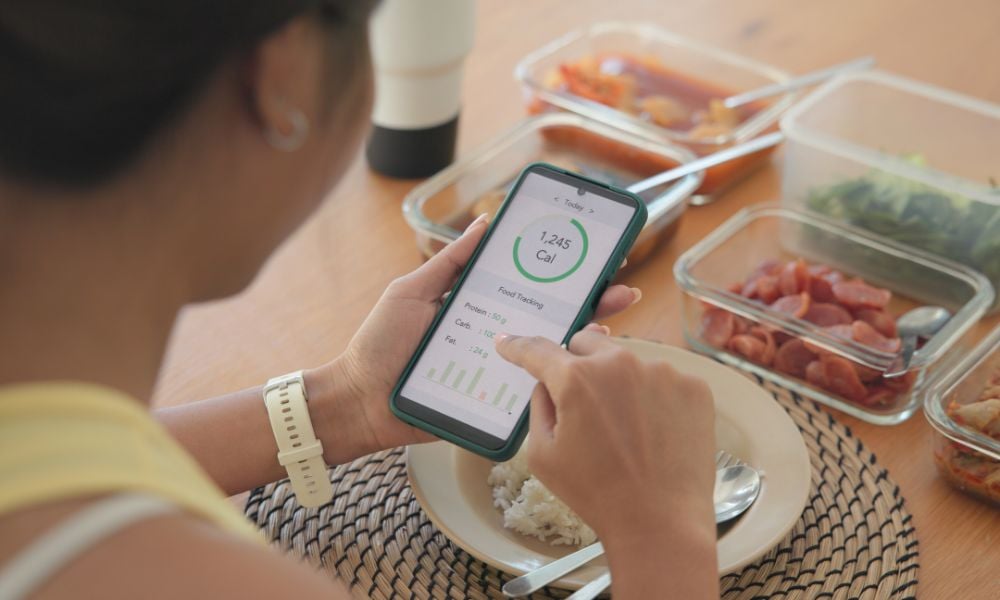
As plan sponsors continue to battle chronic disease in the workplace, group benefits providers are doing what they can to alleviate some of that burden – like homing in on healthy eating.
Notably, roughly 50 per cent of plan members live with at least one chronic condition, and upwards of a third carry more than one. Additionally, one in 10 Canadians has diabetes, roughly one in three is diabetic or pre-diabetic while two thirds are classified as overweight.
These are the numbers Don Bisch confronts when he thinks about what plan sponsors are up against and that’s what led the insurer to partner with RxFood, an AI powered nutrition platform now available at no added cost to all Equitable group benefits plan members.
“The good news is that a lot of these chronic diseases are preventable and there's a huge link between those chronic diseases and nutrition. But at the same time, you've got plan members who are struggling to manage their health,” said Bisch, director of group product and marketing at Equitable.
“There are employees who have diabetes already, and they're struggling to keep their A1C down and to get the exercise and to make those choices every day that are going to help manage it. Nutrition plays a huge role… and it’s becoming more and more expensive to eat in a healthy way,” he added.
Equitable's goal was to give plan members a practical, affordable way to eat better, something Bisch believes the market lacks despite no shortage of nutrition advice online.
According to Bisch, RxFood works by having users photograph their meals. After three days, the app delivers personalized recommendations on things such as how to improve protein and fibre intake and cut carbohydrates. Bisch and his team tested it before launch and found the photo-based logging simple enough to stick with, even on busy days when there is no time to fine-tune the details.
Once a member downloads the app, they set up their health focus and personalized goals so the platform knows what nutritional objectives to target. After three days of photographing meals, RxFood begins delivering diet recommendations, an overall snapshot of how they are eating, and shopping suggestions for eating well on a tighter budget.
Equitable surfaces RxFood to plan members from the moment they enrol, embedding it in the digital welcome kit alongside account activation and benefits card downloads. But the insurer is not relying on a single touchpoint. It is running email campaigns, posting notifications on its plan member website, and working with RxFood on a quarterly webinar series covering topics like diabetes management and women's health and nutrition.
After all, Bisch acknowledges that even the best tools only work if people know they exist. "You can have the best platform, but if people aren’t using it or don’t know about it, then it won’t be effective,” he said.
What ultimately set RxFood apart from the thousands of influencers and wellness apps competing for attention was that it had been clinically tested with institutions like Sick Kids hospital and Diabetes Canada. He also underscored how Equitable examined RxFood’s data security and privacy practices in detail, as it does with any health services provider it considers adding.
After that review, Equitable’s internal security team concluded that despite being an AI-based platform, RxFood not only met the insurer’s standards, but surpassed them, showing a strong overall security posture. He added that RxFood is designed to work in hospital, clinical, and insurance environments, which means it is built around the kind of privacy, security, and compliance controls required to protect sensitive member data.
Moreover, RxFood's case rests on measured outcomes as the company's trials pointed to roughly $1,200 in employer cost savings per employee per year, Bisch noted, based on direct drug cost savings, a reduction in chronic disease spend, reduced absenteeism and lifestyle outcomes.
The app was also shown to impact health outcomes such as a 0.8 per cent reduction in Hemoglobin A1C for Type 1 Diabetes, a 0.7 per cent reduction in Hemoglobin A1C for Type 2 Diabetes along with decreases in cholesterol and body weight, Bisch noted.
"They haven’t just put the app out there and hoped for the best. They put it through the paces and tested it in clinical settings," Bisch said, adding what also matters to him is staying power.
“The app is really designed to sustain that engagement and to drive users towards small behavior changes that will actually stick rather than expecting them to change their complete lifestyle and their diet overnight,” said Bisch. "It's all about creating those habits and then they start to see some of those downstream impacts."


